
Get Home Bag Checklist PDF: An In-Depth Guide
Navigating emergency preparedness requires a detailed get home bag checklist PDF, ensuring crucial supplies are readily available for swift and safe return during unforeseen disruptions.
Get Home Bags (GHBs) represent a proactive approach to personal emergency preparedness, differing from bug-out bags designed for long-term evacuation. A get home bag checklist PDF is vital for outlining essential items. These bags are specifically curated for the scenario where you find yourself stranded away from home during a crisis – a natural disaster, civil unrest, or unexpected emergency.
The core principle is self-reliance, enabling you to safely navigate back to your family and pre-established safe haven. A well-planned GHB isn’t about surviving in the wilderness; it’s about overcoming immediate obstacles – traffic, disrupted public transport, or unsafe conditions – to reach a secure location. Therefore, a comprehensive get home bag checklist PDF is paramount for effective preparation.
What is a Get Home Bag (GHB)?
A Get Home Bag (GHB) is a portable kit containing essential supplies designed to facilitate a safe return journey during an emergency when you’re away from home. Unlike a bug-out bag focused on long-term survival, a GHB prioritizes immediate needs for travel – typically a distance of 20-50 miles. A detailed get home bag checklist PDF is crucial for organization.
It’s a carefully considered collection of items addressing shelter, water, food, first aid, navigation, and communication. The bag’s contents are tailored to your specific commute, potential hazards, and personal needs. Think of it as an enhanced everyday carry, providing a buffer against unexpected disruptions. Utilizing a get home bag checklist PDF ensures nothing critical is overlooked during preparation.
Why You Need a Get Home Bag
Unpredictable events – natural disasters, civil unrest, or even personal emergencies – can disrupt daily life, leaving you stranded far from home. A Get Home Bag (GHB) provides a lifeline in such scenarios, enabling a self-reliant return. Relying solely on emergency services isn’t always feasible, and a get home bag checklist PDF empowers you to take control.
Consider the potential for transportation shutdowns, communication failures, and overwhelmed infrastructure. A GHB bridges the gap, offering essential resources for a challenging journey. Having a pre-packed bag, guided by a comprehensive get home bag checklist PDF, minimizes stress and maximizes your chances of a safe and timely reunion with family. Proactive preparation is key to resilience.
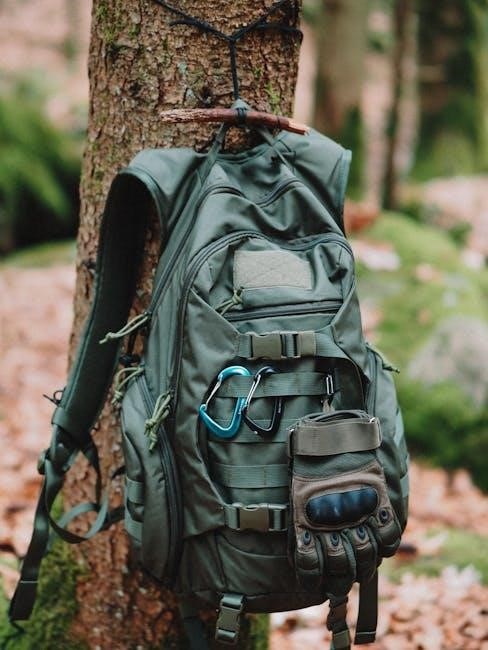
Essential Components of a Get Home Bag
Prioritizing survival necessitates a get home bag checklist PDF focusing on water, food, shelter, first aid, navigation, and essential tools for self-sufficiency during emergencies.
Water and Hydration
Hydration is paramount in any survival scenario, making water a critical component of your get home bag checklist PDF. Aim for at least one gallon per person, per day, for a minimum of three days.
Consider including multiple water containers – durable bottles and hydration bladders are excellent choices. However, carrying that much weight can be challenging. Therefore, a get home bag checklist PDF must also detail water purification methods.
Water purification tablets, a portable water filter, or a stainless steel container for boiling water are essential. Don’t forget electrolyte replacements! These replenish vital minerals lost through perspiration, maintaining optimal physical function during stressful situations. A get home bag checklist PDF should include electrolyte tablets or powder.
Water Purification Methods
A comprehensive get home bag checklist PDF prioritizes safe water access. Several purification methods should be included. Chemical purification, using iodine tablets or chlorine dioxide, is lightweight and effective against most pathogens, but requires time.
Portable water filters, like pump filters or gravity filters, offer faster purification, removing bacteria and protozoa. Ensure the filter’s pore size is small enough to eliminate harmful microorganisms.
Boiling water for one minute effectively kills most harmful bacteria and viruses, but requires a heat source and container. A stainless steel water bottle is ideal for this. Your get home bag checklist PDF should detail the pros and cons of each method, allowing for adaptable water sourcing.
Electrolyte Replacements
A robust get home bag checklist PDF acknowledges the importance of electrolyte balance, especially during strenuous activity. Dehydration isn’t solely about water loss; it’s also about losing vital electrolytes like sodium, potassium, and magnesium.
Electrolyte tablets or powders are lightweight and easily added to purified water, restoring these essential minerals; Consider options with added vitamins for enhanced recovery.
Oral rehydration salts (ORS) are specifically formulated to combat dehydration and electrolyte imbalance, making them a crucial addition. Your get home bag checklist PDF should specify the quantity needed based on anticipated travel duration and exertion levels. Don’t underestimate the impact of electrolyte depletion on physical and cognitive function.
Food and Nutrition
A comprehensive get home bag checklist PDF prioritizes sustaining energy levels during a potentially prolonged journey. Food choices should focus on non-perishable, lightweight, and calorie-dense options. Think beyond simple snacks; consider nutritional value.
Energy bars, trail mix, and dried fruits provide quick energy boosts. MREs (Meals Ready-to-Eat) offer complete meals but are heavier. Jerky is a good protein source. Your get home bag checklist PDF should detail quantities based on anticipated travel time and individual caloric needs.
Prioritize foods that require no cooking or minimal preparation. Remember to include a small, lightweight utensil for easier consumption. Proper nutrition is vital for maintaining stamina and clear thinking.
Non-Perishable Food Options
When building your get home bag checklist PDF, selecting non-perishable food is paramount. These items require no refrigeration and have extended shelf lives, crucial for emergency situations. Focus on foods that retain nutritional value over time.
Excellent choices include protein bars, dried fruits (mango, apricots, raisins), nuts and seeds, and jerky. Consider vacuum-sealed options for increased longevity. Hard candies can provide a quick sugar boost. Ready-to-eat meals, like those found in MREs, are also viable, though heavier.
Your get home bag checklist PDF should specify quantities and expiration dates. Regularly rotate your food supply to ensure freshness and prevent waste. Prioritize calorie density for maximum energy in a compact package.
High-Calorie Food Choices
A vital component of your get home bag checklist PDF is incorporating high-calorie food options. These provide sustained energy when facing physical exertion during an emergency return. Prioritize foods packing the most calories per ounce to minimize weight.
Peanut butter is an excellent choice, offering significant calories and protein. Chocolate (especially dark chocolate) provides energy and a morale boost. Trail mix, combining nuts, seeds, and dried fruit, delivers a balanced calorie source. Consider energy gels or chews designed for athletes.
Your get home bag checklist PDF should detail portion sizes. Remember, the goal is efficient fuel. Focus on foods that require minimal preparation and won’t spoil easily, ensuring you have readily available energy when you need it most.
Shelter and Warmth
A comprehensive get home bag checklist PDF must prioritize shelter and warmth. Unexpected weather conditions can quickly become life-threatening during an emergency evacuation. Lightweight, compact options are crucial.
An emergency blanket, ideally a reflective mylar type, is essential for retaining body heat. Consider a lightweight tarp for constructing a basic shelter from the elements. Cordage (paracord is ideal) is vital for securing the tarp.
Your get home bag checklist PDF should specify tarp size and blanket material. Don’t underestimate the importance of protection from rain, wind, and cold. These items, while small, can dramatically increase your survival chances during a prolonged journey home.
Emergency Blanket Selection
When building your get home bag checklist PDF, emergency blanket selection is critical. Mylar blankets are popular due to their lightweight nature and excellent heat retention – reflecting up to 90% of body heat. However, they tear easily.
Consider a heavier-duty, woven polyethylene blanket for increased durability, though they are slightly bulkier. Space blankets are also an option, offering a balance between weight and resilience. Your get home bag checklist PDF should note the blanket’s dimensions and material.
Evaluate the blanket’s waterproof capabilities and wind resistance. Brightly colored blankets can also aid in signaling for rescue. Prioritize a blanket that balances weight, durability, and thermal performance for optimal preparedness.
Lightweight Tarp Options
A crucial element of any get home bag checklist PDF is a lightweight tarp. Silnylon tarps are highly recommended – they offer an excellent strength-to-weight ratio and are waterproof. Polyurethane (PU) coated nylon tarps are a more affordable option, though less durable.
Consider tarp size; a 7×9 foot tarp provides versatile shelter options. Your get home bag checklist PDF should specify the tarp’s material, dimensions, and weight. Reinforced grommets are essential for secure tie-down points.
Think about color – a neutral color blends into the environment, while bright colors can signal for help. Practice setting up the tarp in various configurations before an emergency to maximize its utility.
First Aid and Medical Supplies
A comprehensive first aid kit is non-negotiable for any get home bag checklist PDF. Include bandages of various sizes, antiseptic wipes, antibiotic ointment, pain relievers, and blister treatment. Don’t forget trauma dressings, gauze pads, and medical tape.
Your get home bag checklist PDF should also detail any personal medications – ensure a sufficient supply, and consider including copies of prescriptions. Include nitrile gloves to maintain hygiene. A SAM splint provides versatile fracture support.
CPR mask and emergency blanket are vital additions. Knowledge of basic first aid is crucial; consider a wilderness first aid course. Regularly check expiration dates and replenish supplies.
Comprehensive First Aid Kit Contents
A detailed get home bag checklist PDF necessitates a robust first aid kit. Essential components include assorted adhesive bandages, sterile gauze pads (various sizes), and medical tape. Antiseptic wipes and antibiotic ointment are crucial for wound care. Pain relievers – ibuprofen or acetaminophen – should be included.
Trauma dressings, burn cream, and blister treatment are vital. Consider adding nitrile gloves, a CPR face shield, and tweezers. A SAM splint offers versatile fracture support. Include scissors and a safety pin.
Don’t forget eye wash solution and a triangular bandage. Your get home bag checklist PDF should specify quantities and expiration dates for each item.
Personal Medications
Your get home bag checklist PDF must prioritize personal medications. Include a sufficient supply – at least a 72-hour reserve, ideally longer – of any prescription drugs you regularly take. Ensure medications are in their original, labeled containers to avoid confusion.
Don’t forget over-the-counter medications you frequently use, such as allergy relief, anti-diarrheal medication, or heartburn remedies. A list of your medications, dosages, and allergies should be included, separate from the medications themselves;
Consider including copies of your prescriptions. Regularly check expiration dates and replace expired items. Proper storage, protected from heat and moisture, is vital for medication efficacy.
Navigation and Communication
A comprehensive get home bag checklist PDF must include robust navigation and communication tools. A detailed, waterproof topographical map of your area is essential, alongside a reliable compass and the knowledge to use them effectively. Don’t solely rely on electronic devices.
Consider a two-way radio (walkie-talkie) for short-range communication with family or group members. Ensure it’s pre-programmed with relevant frequencies. A whistle is a simple, effective signaling device.
A fully charged power bank for your cell phone is useful, but recognize cell service may be unavailable. Knowing basic map reading and land navigation skills is paramount for successful self-reliance.
Map and Compass Skills
Your get home bag checklist PDF should prioritize proficiency in map and compass navigation. Relying solely on GPS is risky; batteries die, and signals fail. Learn to identify landmarks, understand contour lines, and orient a map with a compass.
Practice taking bearings and following them accurately. Familiarize yourself with declination in your region and adjust accordingly. A waterproof map case is crucial to protect your map from the elements.
Regularly practice these skills in various terrains to build confidence and competence. Consider taking a wilderness navigation course to enhance your abilities. These skills are fundamental for independent travel and a vital component of preparedness.
Two-Way Radio Considerations
A get home bag checklist PDF should include a robust communication plan, and a two-way radio is a key element. Choose a radio with sufficient range for your likely travel routes, considering terrain and potential obstructions.
Family Radio Service (FRS) radios are license-free but have limited range. General Mobile Radio Service (GMRS) radios offer greater range but require an FCC license. Pre-program essential frequencies, including local emergency services and family members’ channels.
Don’t forget extra batteries or a hand-crank charger. Understand radio etiquette and practice clear communication. A two-way radio provides a lifeline when cell service is unavailable, enhancing safety and coordination.
Tools and Repair
A comprehensive get home bag checklist PDF must prioritize tools for repair and improvisation. A multi-tool, like a Leatherman or Gerber, consolidates numerous functions into a compact package – pliers, knife, screwdriver, saw, and more.
Duct tape is invaluable for countless repairs, from patching gear to securing bandages. Include at least 50 feet. Strong cordage, such as 550 paracord, offers versatility for shelter building, securing items, and emergency repairs.
Consider a small repair kit with needles, thread, and safety pins for clothing and gear fixes. These seemingly small items can significantly improve your self-reliance during a prolonged journey.
Multi-Tool Selection
When building a get home bag checklist PDF, the multi-tool is paramount. Prioritize full-size models offering pliers, multiple knife blades, screwdrivers (Phillips and flathead), a saw, and potentially a file. Brands like Leatherman, Gerber, and SOG consistently receive high ratings for durability and functionality.
Consider the locking mechanisms of the tools; secure locking prevents accidental closure during use. Stainless steel construction resists corrosion, crucial for long-term reliability. Weight is a factor – balance features with portability.
Sheath compatibility is also important; ensure a secure and accessible carry method. A quality multi-tool is an investment in self-reliance, offering solutions to a wide range of unexpected challenges.
Duct Tape and Cordage
A comprehensive get home bag checklist PDF must include duct tape and cordage. Duct tape, ideally a high-quality, waterproof variety, serves countless purposes – repairs, securing shelter, first aid applications, and more. Wrap a generous amount around a small, sturdy core (like a pencil) to minimize bulk.
Cordage, such as 550 paracord, is equally versatile. Its uses range from shelter building and gear repair to creating snares and securing items. Consider at least 50-100 feet.
Both items are lightweight yet offer immense problem-solving potential. Prioritize durability and multi-functionality when selecting these essential components for your bag.

Advanced Get Home Bag Items
Elevating your get home bag checklist PDF includes self-defense, enhanced lighting, and reliable fire starters for increased preparedness and resilience during emergencies.
Self-Defense Tools
Integrating self-defense into your get home bag checklist PDF requires careful consideration of legality and practicality. Pepper spray, a non-lethal option, offers a deterrent but regulations vary significantly by location – thorough research is vital before inclusion.
Personal safety alarms provide an audible alert, potentially deterring attackers and attracting help. These are generally legal and easy to deploy. However, relying solely on these tools isn’t advisable; situational awareness and de-escalation skills are paramount.
Remember, the primary goal is safe passage home, not confrontation. Prioritize avoidance and escape strategies. Always understand and adhere to local laws regarding self-defense tools. A well-considered get home bag checklist PDF balances preparedness with legal compliance.
Pepper Spray Regulations
When incorporating pepper spray into your get home bag checklist PDF, understanding legal restrictions is crucial. Regulations concerning pepper spray vary dramatically by state, and even by city or county. Some jurisdictions prohibit it entirely, while others have restrictions on canister size, percentage of oleoresin capsicum (OC), and permissible use.
Before including pepper spray, meticulously research the laws in your area and any locations you might travel through. Penalties for illegal possession or use can be severe. Consider the legal ramifications of deploying pepper spray, including potential civil liability.
A comprehensive get home bag checklist PDF should include a note detailing the legality of pepper spray in your specific location, ensuring responsible and lawful preparedness.
Personal Safety Alarms
Including a personal safety alarm in your get home bag checklist PDF offers a non-lethal self-defense option. These compact devices emit a loud, piercing sound designed to disorient an attacker and attract attention. They are lightweight, easy to operate, and require no special training, making them ideal for individuals of all ages and abilities.
When selecting an alarm, consider its decibel level – higher decibels are more effective. Battery life is also important; choose a model with a long-lasting battery or one that’s easily replaceable; Some alarms also feature LED lights for added visibility.
A well-rounded get home bag checklist PDF should specify the inclusion of a personal safety alarm, alongside other self-defense tools, to enhance personal security during emergencies.
Lighting and Visibility
A comprehensive get home bag checklist PDF must prioritize lighting and visibility tools. Darkness significantly increases risks during an emergency evacuation. Both headlamps and flashlights are valuable, but a headlamp offers hands-free operation, crucial for navigating obstacles. Consider a durable, waterproof model with adjustable brightness settings.
Flashlights provide focused beams for distance, while glow sticks and chem lights offer ambient, long-lasting illumination without batteries. These are excellent for marking trails or signaling for help.
Your get home bag checklist PDF should detail the quantity and type of lighting, ensuring redundancy. Include extra batteries for electronic devices and consider reflective gear to enhance visibility to others.
Headlamp vs. Flashlight
When building a get home bag checklist PDF, deciding between a headlamp and flashlight is vital. Headlamps, secured to the head, provide hands-free illumination – invaluable when navigating rough terrain or needing to perform tasks. This is a significant advantage during a stressful evacuation scenario.
Flashlights, while offering a focused beam for distance, require one hand to operate. They are useful for scanning areas but limit dexterity. A robust flashlight is still a good backup.
Your get home bag checklist PDF should ideally include both. A headlamp for primary use and a compact, durable flashlight as a secondary source. Consider LED models for efficiency and longevity;
Glow Sticks and Chem Lights
Including glow sticks and chem lights in your get home bag checklist PDF provides a reliable, non-electric light source. They require no batteries and are excellent for marking trails, signaling for help, or providing low-level illumination within a shelter.
While not as bright as a headlamp or flashlight, they offer a safe alternative, especially around flammable materials. They’re also useful for maintaining situational awareness without attracting unwanted attention.
A comprehensive get home bag checklist PDF should specify a sufficient quantity – consider a variety of colors for signaling purposes. Store them in a waterproof bag to ensure they remain functional when needed. They are lightweight and inexpensive, making them a valuable addition.
Fire Starting Methods

A crucial element of any get home bag checklist PDF is reliable fire-starting capability. Fire provides warmth, cooks food, purifies water, and offers psychological comfort in a survival situation.
Waterproof matches are a simple and effective option, but consider storing them in a waterproof container for added protection. A ferro rod and striker offer a more durable and dependable solution, functioning even when wet.
Your get home bag checklist PDF should include tinder – cotton balls soaked in petroleum jelly, or commercially prepared fire starters – to easily ignite a flame. Practicing with these methods beforehand is essential to ensure proficiency when time is critical.
Waterproof Matches
Including waterproof matches on your get home bag checklist PDF is a foundational step for reliable fire starting. These matches are specially treated to ignite even after being exposed to water, offering a crucial advantage in adverse conditions.
However, relying solely on the waterproof coating isn’t enough. Store them within a dedicated, completely waterproof container – a small, sealed plastic bag or a metal tin – to guarantee their usability.
Consider carrying multiple sources of ignition. While waterproof matches are convenient, a ferro rod provides a more robust and long-lasting solution. Regularly check the matches for any damage or deterioration, replacing them as needed to maintain preparedness.
Ferro Rod and Striker
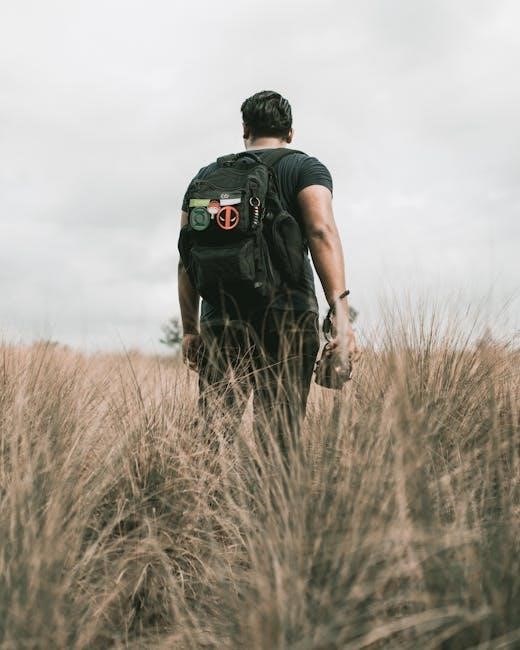
A ferrocerium rod, often called a “ferro rod,” and striker are essential additions to any get home bag checklist PDF. Unlike matches, a ferro rod isn’t reliant on being kept dry and can produce thousands of sparks, even when wet. This makes it a highly reliable fire-starting tool.
Practice using the ferro rod before an emergency. Mastering the technique – scraping the striker down the rod with firm pressure – is crucial.
Enhance its effectiveness by preparing tinder beforehand. Cotton balls coated in petroleum jelly, or commercially prepared fire starters, ignite easily from ferro rod sparks. Store both the rod and striker securely in a waterproof container to ensure they remain functional when needed.
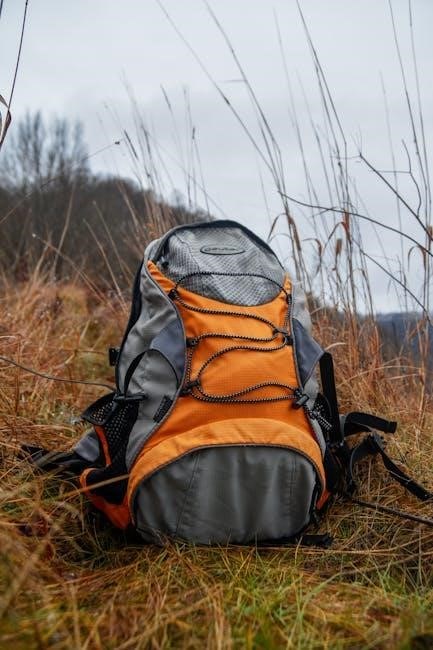
Creating Your Get Home Bag Checklist PDF
Developing a personalized get home bag checklist PDF is vital; customize it to your specific needs, location, and potential hazards for optimal preparedness.
Customizing Your Checklist
Tailoring your get home bag checklist PDF is paramount, moving beyond generic lists. Consider your commute – distance, terrain, and potential obstacles. Account for seasonal changes; winter requires warmer layers and potentially snow traction devices, while summer demands increased hydration solutions.
Personal medical needs are critical; include prescriptions, allergies, and any specific health concerns. Family considerations matter too – if evacuating for loved ones, adjust the bag’s capacity and contents accordingly. Regularly review and update the checklist based on evolving circumstances and lessons learned from drills or real-world events. A truly effective checklist reflects your unique situation.
Digital vs. Physical Checklist
Choosing between a digital or physical get home bag checklist PDF depends on your preferences and reliability concerns. Digital checklists, stored on smartphones or tablets, offer easy updating and accessibility, but rely on battery life and device functionality. A physical, printed copy remains accessible even without power, proving invaluable in a widespread outage.
A hybrid approach is often best: store a digital version for convenient editing and a printed backup within the bag itself. Regularly update both versions to reflect changes in supplies or personal needs. Consider laminating the physical checklist for water resistance and durability, ensuring it remains usable in adverse conditions.
Regular Bag Maintenance
Consistent maintenance is crucial for a reliable get home bag checklist PDF’s effectiveness. At least twice yearly, thoroughly inspect all items for expiration dates, damage, or battery corrosion. Replace expired food, water, and medications promptly. Check first-aid supplies to ensure completeness and functionality.
Periodically practice accessing and using the bag’s contents to familiarize yourself with their location and operation. This builds confidence and efficiency during an actual emergency. Update the checklist PDF to reflect any changes made during maintenance. A well-maintained bag is a proactive step towards preparedness, ensuring you’re ready when needed.