nur ul idah english pdf

Nur al-Idah, “The Light of Clarification,” is a foundational Hanafi fiqh text, widely studied for generations.

A translated PDF, with commentary by Shaykh Wesam Charkawi, offers accessibility to English-speaking students.

Multiple Arabic editions are freely available on the Internet Archive, facilitating scholarly engagement with the original work.

Historical Context of the Text

Nur al-Idah was penned by Abu al-Ikhlas al-Hasan b. Ammar Shurunbulali, who passed away in 1069 AH. This places its composition within a period where consolidating and systematizing Hanafi jurisprudence was paramount.

The text emerged as a concise manual intended for teaching and practical application of fiqh. Its enduring popularity stems from its clarity and comprehensive coverage of worship-related rulings. The availability of an English PDF translation, alongside numerous Arabic editions on platforms like the Internet Archive, demonstrates its continued relevance.

Imam Ahmad Ibn Hanbal’s endorsement of the school of thought further solidifies its historical importance.

Abu al-Ikhlas al-Hasan b. Ammar Shurunbulali, the author of Nur al-Idah, was a prominent scholar of the Hanafi school. He lived until 1069 AH, leaving behind a legacy of accessible and practical Islamic jurisprudence.

His work, now available in English PDF format thanks to translations like Shaykh Wesam Charkawi’s, continues to be a cornerstone of Hanafi education. The text’s widespread distribution, including multiple Arabic editions on the Internet Archive, speaks to Shurunbulali’s lasting influence.

He aimed for clarity and conciseness in his writing.

Significance in Hanafi Fiqh

Nur al-Idah holds immense significance within Hanafi fiqh as a classical manual, bridging complex legal rulings with practical application. It’s a widely taught text, forming a foundation for understanding Islamic jurisprudence, particularly concerning acts of worship.

The availability of an English PDF translation, alongside numerous Arabic editions on platforms like the Internet Archive, expands its reach. Imam Ahmad Ibn Hanbal’s endorsement—recognizing the consensus of key Hanafi scholars—underscores its reliability and authority within the school of thought.

It prepares students for real-world scenarios.

Core Principles of Nur al-Idah

Nur al-Idah centers on ibadat (worship), adhering to the Hanafi school, and grounding rulings in the Quran and Sunnah.

The English PDF aids comprehension.

Focus on Worship (Ibadat)

Nur al-Idah meticulously details the rulings pertaining to acts of worship – ibadat – forming the core of its jurisprudential focus. This includes comprehensive guidance on purification (taharah), prayer (salah), fasting (sawm), charity (zakat), and pilgrimage (hajj).

The text prepares students to navigate the majority of practical religious matters. Accessing the English PDF translation, with Shaykh Wesam Charkawi’s commentary, significantly enhances understanding of these vital aspects of Islamic practice. It’s a practical guide for daily life, rooted in Hanafi tradition.

Hanafi School of Thought

Nur al-Idah is fundamentally rooted in the Hanafi school of Islamic jurisprudence, representing a classical articulation of its principles. It systematically presents Hanafi rulings on various aspects of Islamic law, making it a cornerstone text for students of this madhhab.

The English PDF translation allows for wider accessibility to these specific rulings. Studying Nur al-Idah provides a solid foundation for understanding the nuances of Hanafi fiqh, and its practical application in contemporary life, as intended by Imam Shurunbulali.

Reliance on Quran and Sunnah

Nur al-Idah meticulously grounds its rulings in the primary sources of Islamic law: the Quran and the Sunnah (Prophetic traditions). While a concise manual, it doesn’t deviate from established methodologies of ijtihad, carefully deriving rulings from these foundational texts.

The English PDF translation preserves this adherence to source material, allowing students to trace the origins of each ruling. This emphasis on Quran and Sunnah ensures the text’s authenticity and provides a robust framework for understanding Hanafi jurisprudence.

Key Areas Covered in Nur al-Idah

Nur al-Idah comprehensively covers essential worship practices – purification, prayer, fasting, charity, and pilgrimage – as detailed in the accessible English PDF.

Purification (Taharah)

Taharah, or purification, forms a crucial initial section within Nur al-Idah, as detailed in the English PDF translation. This encompasses both physical and ritual cleanliness, prerequisites for valid worship.

The text meticulously outlines the rules governing wudu (ablution), ghusl (full bath), and tayammum (dry ablution when water is unavailable). It clarifies conditions invalidating purification and addresses various scenarios encountered in daily life.

The English PDF provides accessible explanations of these rulings, making the intricacies of Hanafi jurisprudence on purification understandable for English-speaking learners. It’s a foundational element for proper worship.

Prayer (Salah)

Salah, the obligatory prayer, receives extensive coverage in Nur al-Idah, as presented in the accessible English PDF translation. The text details the conditions necessary for prayer, including ritual purity, facing the qibla, and proper intention.

It meticulously explains the rulings concerning the timings of prayers, the number of rak’ahs (units) in each prayer, and the essential components of the prayer itself. The English PDF clarifies various scenarios, such as making up missed prayers and praying while traveling.

This section provides a comprehensive guide to performing salah according to the Hanafi school of thought.

Fasting (Sawm)

Sawm, or fasting during Ramadan, is thoroughly addressed within Nur al-Idah, readily available in its English PDF translation; The text elucidates the obligations of fasting, including the intention (niyyah) and abstaining from food, drink, and other invalidators from dawn until sunset;

It details exemptions from fasting, such as for travelers and the sick, and outlines the rulings regarding fidyah (making up for missed fasts). The English PDF clarifies the importance of observing the pre-dawn meal (suhoor) and breaking the fast (iftar).

It’s a complete guide to Hanafi rulings on fasting.

Zakat (Charity)

Zakat, a pillar of Islam, receives detailed coverage in Nur al-Idah, accessible through its English PDF translation. The text meticulously outlines the types of wealth subject to Zakat – including gold, silver, livestock, and agricultural produce – and the specific nisab (minimum threshold) for each.

It clarifies the rates of Zakat applicable to different asset classes and specifies the eligible recipients of Zakat funds. The English PDF explains the conditions for giving Zakat and the importance of sincere intention.

It’s a comprehensive guide to Hanafi Zakat rulings.

Pilgrimage (Hajj)

Nur al-Idah’s English PDF provides a detailed explanation of Hajj, the fifth pillar of Islam, according to the Hanafi school. It covers the prerequisites for undertaking the pilgrimage, including financial capability and good health.

The text meticulously outlines the rituals of Hajj – ihram, tawaf, sa’i, and the standing at Arafat – with clear instructions. It details the permissible actions and prohibitions during Hajj, ensuring a valid and accepted pilgrimage.

The PDF clarifies rulings on various Hajj scenarios.

Available Translations and Editions

Nur al-Idah boasts a comprehensive English translation by Shaykh Wesam Charkawi, alongside numerous Arabic editions accessible via the Internet Archive.

Dr. Saeed Bakdash also provides an Arabic edition.

English Translation by Shaykh Wesam Charkawi

Shaykh Wesam Charkawi’s English translation of Nur al-Idah represents a significant contribution to the accessibility of Hanafi jurisprudence for English-speaking students and practitioners.

This translation isn’t merely a word-for-word rendering; it’s accompanied by detailed commentary and explanatory notes, providing crucial context and clarification of complex legal rulings.

Published by Darul Tahqiq, the translation aims to bridge the gap between classical Islamic scholarship and contemporary understanding.

The PDF version is readily available, making it a valuable resource for self-study and classroom instruction, fostering a deeper comprehension of Hanafi fiqh.

Multiple Arabic Editions on Internet Archive

The Internet Archive hosts a wealth of Arabic editions of Nur al-Idah, offering scholars and students diverse textual resources. These include the Dr. Saeed Bakdash Edition, available as a 9.6MB PDF, and various JP2 ZIP files for enhanced digital access.

Editions like the DKI Edition and the Bushra Edition are also present, showcasing variations in textual presentation and formatting;

These digitized versions facilitate comparative study and research, allowing users to explore different manuscript traditions of this classical text.

The archive’s accessibility promotes wider engagement with the original Arabic source.

Dr. Saeed Bakdash Edition

The Dr. Saeed Bakdash Edition of Nur al-Idah is readily available on the Internet Archive as a 9.6MB PDF download. This edition provides a clear and accessible rendering of the classical text for students of Hanafi fiqh.

Alongside the PDF, the archive offers this edition in a SINGLE PAGE PROCESSED JP2 ZIP format, totaling 83.1MB, enhancing digital readability and preservation.

This digitized version allows for easy searching, annotation, and sharing, furthering the study and dissemination of this important work.

It’s a valuable resource for both traditional and modern learners.

DKI Edition

The DKI Edition of Nur al-Idah is accessible through the Internet Archive, presented as a substantial 195.3MB JP2 ZIP file. This digital format ensures high-resolution image quality, ideal for detailed study of the Arabic text.

The DKI edition is favored by many for its clear presentation and accurate transcription of the original manuscript.

Researchers and students benefit from the archive’s preservation efforts, allowing widespread access to this classical Hanafi fiqh manual.

It’s a crucial resource for comparative textual analysis.
Resources for Studying Nur al-Idah

Kalamullah.Com provides access to Nur al-Idah in English, while the Internet Archive hosts multiple Arabic editions and PDF versions for study.

Internet Archive Availability

The Internet Archive serves as a crucial repository for various editions of Nur al-Idah. Users can freely download, borrow, and stream multiple Arabic versions, including the Dr. Saeed Bakdash Edition and the DKI Edition.

Furthermore, digitally processed files are available in JP2 ZIP format, offering enhanced accessibility. A complete English translation, also in JP2 ZIP, is readily accessible.

These resources democratize access to this classical text, supporting both traditional and contemporary study of Hanafi fiqh.

Kalamullah.Com Resources

Kalamullah.Com provides valuable resources for students of Nur al-Idah, offering access to “The Light of Clarification” (Hanafi Fiqh) authored by Hasan ibn Ammar Abu al Ikhlas al-Misry Shurunbulali.

The website presents the text as a foundational work covering extensive areas of Islamic jurisprudence, particularly focusing on the rulings related to acts of worship.

This online availability supports both beginners and advanced learners seeking to deepen their understanding of Hanafi legal rulings.

Darul Tahqiq Publications

Darul Tahqiq offers a translated version of Nur al-Idah, described as a “Classical Manual of Islamic jurisprudence.” This translation, from the original Arabic, is meticulously presented with insightful commentary and explanatory notes.

The translator, Shaykh Wesam Charkawi, ensures accessibility for English speakers while maintaining the text’s scholarly rigor.

This publication is a valuable resource for those seeking a comprehensive understanding of Hanafi fiqh as articulated in this foundational text.

Imam Ahmad Ibn Hanbal’s Endorsement

Imam Ahmad Ibn Hanbal valued consensus, stating agreement among Abu Hanifa, Abu Yusuf, and Muhammad Ibn al-Hasan was definitive.

Nur al-Idah embodies this respected tradition.

The Agreement of Abu Hanifa, Abu Yusuf, and Muhammad Ibn al-Hasan

Imam Ahmad Ibn Hanbal’s powerful statement highlights the significance of scholarly consensus within Islamic jurisprudence. He asserted that when Abu Hanifa, Abu Yusuf, and Muhammad Ibn al-Hasan – the leading figures of the Hanafi school – reached agreement on a matter, their verdict should be considered authoritative, eclipsing dissenting opinions.

This underscores the strength and reliability of the Hanafi madhhab, and by extension, texts like Nur al-Idah, which meticulously codifies its rulings. The endorsement implies a high degree of confidence in the methodology and conclusions presented within the work, making it a valuable resource for students and practitioners alike.

The availability of an English PDF translation further expands access to this historically endorsed body of knowledge.

Importance of Scholarly Consensus

Scholarly consensus, or ijma, holds a paramount position in Islamic legal methodology, representing a powerful source of guidance. Imam Ahmad Ibn Hanbal’s emphasis on the agreement of Abu Hanifa, Abu Yusuf, and Muhammad Ibn al-Hasan exemplifies this principle.

When these eminent scholars concurred, their collective wisdom carried significant weight, signifying a robust and well-considered ruling. This highlights the Hanafi school’s strength and the reliability of texts like Nur al-Idah, which embodies their jurisprudence;

Accessing the Nur al-Idah through an English PDF allows wider engagement with this historically validated consensus.
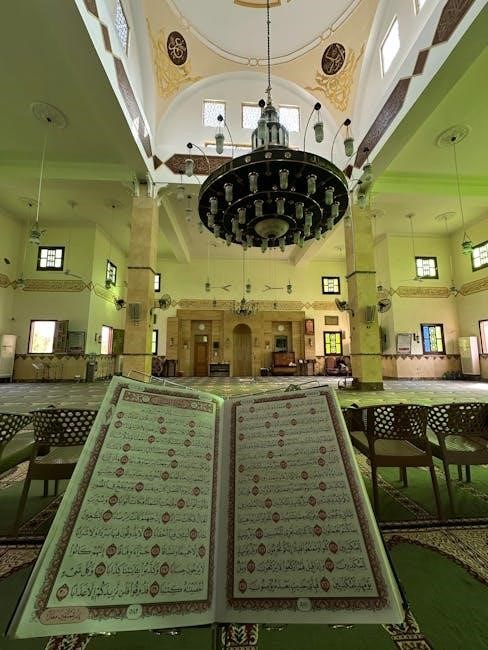
Digital Formats Available

Nur al-Idah is accessible in various digital formats, including convenient PDF versions and extensive JP2 ZIP files for detailed study.

Single page processed files are also available for easy reading.

PDF Versions

Nur al-Idah’s English translation, meticulously completed by Shaykh Wesam Charkawi, is readily available as a PDF document. This format allows for convenient study on various devices, including computers, tablets, and smartphones.

The PDF includes both the Arabic text and the English translation, alongside insightful commentary and explanatory notes, enhancing comprehension for students of Hanafi fiqh.

Furthermore, a dedicated PDF version of the original Arabic text, as edited by Dr. Saeed Bakdash, is also accessible through the Internet Archive, offering a direct resource for advanced learners.

These PDF versions facilitate widespread access to this classical manual of Islamic jurisprudence.

JP2 ZIP Files

The Internet Archive hosts several editions of Nur al-Idah in JP2 ZIP file format, offering a high-resolution, page-by-page digital representation. These files are particularly useful for researchers and those requiring detailed examination of the text.

Available editions include the Imdad al-Fattah commentary, the Bushra edition, and the DKI edition, each zipped for easy download and archival.

The English translation is also available as a JP2 ZIP file, providing a visually clear and searchable version alongside the original Arabic. These formats ensure preservation and accessibility.

Single Page Processed Files

The Internet Archive provides “Single Page Processed” JP2 ZIP files for Nur al-Idah, offering a streamlined digital reading experience. These files present each page of the text as a separate, high-resolution image, optimized for viewing and searching.

Editions available in this format include the Dr. Saeed Bakdash edition, the English translation, and others, facilitating focused study.

This format is ideal for those preferring a visually faithful reproduction of the original manuscript, enhancing accessibility and research capabilities.

Sharh Imdad al-Fattah

Sharh Imdad al-Fattah serves as a detailed commentary on Nur al-Idah, providing an in-depth explanation of its concepts and rulings.

A JP2 ZIP file of this commentary is available on the Internet Archive.

Commentary on Nur al-Idah

Sharh Imdad al-Fattah is a comprehensive commentary meticulously designed to illuminate the intricacies of Nur al-Idah. It doesn’t merely restate the rulings, but delves into the reasoning behind them, offering a deeper understanding of Hanafi jurisprudence.

This commentary provides detailed explanations of the concepts presented in Nur al-Idah, making it an invaluable resource for students and scholars alike. The Internet Archive hosts a digital version in JP2 ZIP format, allowing for easy access and study.

Through Sharh Imdad al-Fattah, complex legal issues are clarified, and the practical application of Nur al-Idah’s rulings is made more accessible.

Detailed Explanation of Concepts

Nur al-Idah, particularly when studied alongside Sharh Imdad al-Fattah, offers a remarkably detailed exploration of Hanafi fiqh principles. The English translation by Shaykh Wesam Charkawi further enhances comprehension for English speakers.

The text meticulously covers areas like purification (taharah), prayer (salah), fasting (sawm), and charity (zakat), providing nuanced explanations of each ruling.

Available in PDF format on platforms like the Internet Archive, students can access in-depth analyses, ensuring a thorough grasp of the foundational concepts within Hanafi jurisprudence.

Bushra Edition

The Bushra Edition is an Arabic version of Nur al-Idah, available as a JP2 ZIP file on the Internet Archive.

It presents textual variations compared to other editions, offering scholars alternative readings.

Another Arabic Edition

Nur al-Idah exists in several Arabic editions, each offering a slightly different presentation of the text. The Bushra Edition, readily accessible via the Internet Archive, is a prime example.

This edition is distributed as a JP2 ZIP file, allowing for detailed examination of the original Arabic wording.

Scholars often compare various editions to resolve textual ambiguities and gain a deeper understanding of the author’s intent.

While an English PDF translation exists, studying the Arabic source remains crucial for nuanced comprehension of Hanafi fiqh principles.

These variations highlight the rich textual history of this classical manual.

Variations in Textual Presentation

Nur al-Idah demonstrates subtle differences across its various Arabic editions, impacting textual presentation. The Internet Archive hosts multiple versions – DKI, Dr. Saeed Bakdash, and Bushra – each formatted uniquely.

These variations can involve minor wording changes or differences in layout and annotation.

While the core legal rulings remain consistent, these nuances are important for advanced study.

Accessing the English PDF translation alongside these Arabic editions allows for comparative analysis, enriching understanding of the text’s evolution.

Scholars value these distinctions for a comprehensive grasp of Hanafi fiqh.

Nur al-Idah as a Classical Manual

Nur al-Idah serves as a widely taught classical manual for Hanafi jurisprudence, forming a strong foundation for Islamic legal studies.

The English PDF aids accessibility.

Widely Taught Text

Nur al-Idah has historically been, and continues to be, a cornerstone text in the transmission of Hanafi fiqh across numerous Islamic educational institutions.

Its concise yet comprehensive nature makes it ideal for both introductory and intermediate students of Islamic law.

The availability of an English translation, in PDF format with detailed commentary by Shaykh Wesam Charkawi, significantly expands its reach to a broader audience.

This accessibility ensures that students who are not proficient in Arabic can still benefit from the wisdom and clarity contained within this classical manual, fostering a deeper understanding of Hanafi rulings.

The text’s enduring popularity speaks to its pedagogical effectiveness and lasting relevance.

Foundation for Islamic Jurisprudence

Nur al-Idah serves as a crucial building block for understanding the principles of Islamic jurisprudence within the Hanafi school of thought.

The text systematically covers essential areas of worship – purification, prayer, fasting, charity, and pilgrimage – providing a solid grounding in practical fiqh.

The English PDF translation, accompanied by insightful commentary, allows students to grasp the underlying reasoning and evidence for these rulings.

It prepares individuals to navigate complex legal questions and apply Islamic law to contemporary life, establishing a firm foundation for further study and scholarly pursuits.

Its clarity and conciseness make it an excellent starting point.

Contemporary Relevance

Nur al-Idah, now accessible in English PDF format, provides a clear understanding of Hanafi rulings for modern Muslims.

It enables practical application of fiqh, bridging classical knowledge with contemporary life’s challenges.

Understanding Hanafi Rulings

Nur al-Idah, particularly through the English PDF translation by Shaykh Wesam Charkawi, serves as an excellent resource for grasping the nuances of Hanafi jurisprudence.

The text systematically covers essential areas like purification, prayer, fasting, charity, and pilgrimage, detailing the specific rulings within the Hanafi school of thought.

Its clarity and comprehensive approach allow students and practitioners to confidently navigate complex legal questions.

The availability of the PDF format makes these rulings readily accessible, fostering a deeper understanding and practical implementation of Hanafi fiqh in daily life.

It’s a foundational text for those seeking to learn and apply these principles.

Practical Application of Fiqh

The Nur al-Idah English PDF empowers individuals to apply Hanafi rulings to everyday scenarios.

Covering worship practices – purification, prayer, fasting, Zakat, and Hajj – it provides a clear framework for fulfilling religious obligations.

The text isn’t merely theoretical; it’s designed to equip readers with the knowledge to address real-life questions regarding Islamic law.

Shaykh Wesam Charkawi’s translation and commentary further enhance its practicality, bridging the gap between scholarly text and lived experience.

This accessibility fosters confident and informed practice of fiqh.

nyc pizza tour self-guided

NYC Pizza Tour: A Self-Guided Adventure

Embark on a delicious journey! Explore New York City’s diverse pizza scene at your own pace, discovering iconic slices and hidden gems throughout the five boroughs․

New York City and pizza: a legendary pairing! For generations, the city has been synonymous with incredible pizza, evolving from humble immigrant beginnings to a globally recognized culinary icon․ It’s more than just food; it’s a cultural experience, a quick bite, a social gathering, and a symbol of the city’s vibrant energy․

The sheer diversity is astounding․ From classic New York slices to authentic Neapolitan pies, thick Sicilian squares, and unique Grandma-style creations, there’s a pizza for every palate․ NYC’s unique blend of cultures has fueled this innovation, resulting in a pizza landscape unlike any other․

This tour isn’t about rigid schedules or crowded buses; it’s about freedom․ It’s about discovering your perfect slice, exploring different neighborhoods, and immersing yourself in the city’s pizza passion․ Prepare to indulge, explore, and experience the true allure of NYC pizza!

Why a Self-Guided Tour?

Take control of your pizza destiny! A self-guided tour offers unparalleled flexibility and personalization․ Forget restrictive itineraries and rushed schedules – you dictate the pace and choose the pizzerias that pique your interest․ NYC is a city best explored on your own terms, and that applies to its pizza scene too․

This approach allows for spontaneous discoveries․ Stumble upon a hidden gem in a quiet neighborhood, linger longer at a bustling spot, or change your plans based on local recommendations․ You’re not bound by a tour guide’s agenda; you’re free to follow your cravings!

Furthermore, a self-guided tour is often more affordable and allows for deeper immersion in the local culture․ You’ll experience NYC like a true New Yorker, navigating the streets and savoring the flavors at your leisure․ It’s the ultimate pizza adventure, designed by you, for you․

Planning Your Pizza Pilgrimage

Preparation is key! Strategize your route, consider borough hopping, and utilize helpful apps to maximize your NYC pizza experience and enjoyment․

Best Time to Visit for Pizza

Optimal timing enhances your tour! While New York City offers incredible pizza year-round, spring (April-May) and fall (September-October) present the most pleasant weather for extensive walking tours․ Avoid the intense summer heat and humidity, which can make navigating the city – and enjoying multiple slices – less comfortable․

Winter (November-March) can be chilly, but cozy pizzerias offer a warm respite․ Consider indoor dining options during colder months․ Weekdays generally offer shorter lines at popular spots compared to bustling weekend crowds․ January and February, being off-peak tourist seasons, might provide a more relaxed experience․

Keep an eye on local events and festivals, as these can impact crowds and potentially pizzeria hours․ Ultimately, the “best” time depends on your preference for weather and crowd levels, but shoulder seasons offer a sweet spot for a truly enjoyable pizza pilgrimage․

Essential Tools & Apps

Tech aids your tasty trek! A smartphone is your primary tool․ Google Maps (or Citymapper) is crucial for navigation, plotting routes between pizzerias, and checking public transportation options․ Yelp and TripAdvisor offer user reviews and ratings, helping you discover hidden gems and avoid disappointments․

Consider downloading a dedicated NYC subway map app for offline access․ Resy or OpenTable can be useful for making reservations at pizzerias that accept them, though many operate on a first-come, first-served basis․

Food delivery apps (Seamless, Grubhub, DoorDash) aren’t ideal for a tour, but can be handy for checking menus and pricing․ A portable charger is essential to keep your phone powered throughout the day․ Finally, a camera to document your delicious discoveries is highly recommended!

Mapping Your Route: Borough Breakdown

Strategic planning is key! Manhattan offers density – easily walkable clusters of pizzerias․ Focus on Greenwich Village, SoHo, and the Lower East Side․ Brooklyn requires more travel, but Lucali in Carroll Gardens is a pilgrimage-worthy destination․ The Bronx boasts John’s of Bleecker Street, famed for its coal-fired pies, necessitating a subway ride․

Queens, a melting pot, hides local gems like Rosa’s Pizza, rewarding exploration․ Staten Island is less known for pizza, potentially skipped on a first tour․ Consider grouping pizzerias by borough to minimize travel time․

Utilize the subway system efficiently; it’s the fastest way to navigate․ Factor in walking distances between stops and pizzerias․ Prioritize based on your preferred pizza styles and time constraints․ Remember, NYC is vast – a borough-per-day approach might be sensible!

Top Pizza Styles to Explore

NYC’s pizza landscape is diverse! From classic New York slices to Sicilian squares, Neapolitan authenticity, and unique Grandma styles, a flavorful adventure awaits every palate․

New York Style: The Classic Slice

The quintessential NYC pizza experience! Characterized by its large, hand-tossed, thin-crust slices, New York style is a true icon․ This pizza is typically cooked in a deck oven, resulting in a slightly crispy yet foldable crust – essential for the classic street-food experience․

The sauce is simple, often made with crushed tomatoes, and the mozzarella is generally low-moisture, whole-milk․ A sprinkle of grated Pecorino Romano cheese often completes the picture․ It’s designed to be eaten on the go, folded in half for structural integrity and maximum flavor delivery․

This style prioritizes balance – a harmonious blend of crust, sauce, and cheese․ It’s not about extravagant toppings; it’s about perfecting the fundamentals․ Finding the perfect New York slice is a rite of passage for any visitor, and a source of local pride for residents․

Sicilian Style: Thick & Square

A hearty and flavorful alternative! Sicilian pizza, a direct descendant of the sfincione from Sicily, offers a substantial departure from the thin-crust New York slice․ Baked in a rectangular pan, it boasts a thick, airy, and focaccia-like crust, creating a delightfully chewy texture․

The sauce is typically applied generously, often layered on top of the cheese – a defining characteristic․ This results in a sweeter, more robust flavor profile․ Common toppings include onions, anchovies, and a generous dusting of breadcrumbs, adding both texture and taste․

Sicilian slices are known for their satisfying heft and rich flavor․ It’s a pizza meant to be savored, often enjoyed as a meal in itself․ While less common than New York style, finding a truly exceptional Sicilian slice is a rewarding experience for any pizza enthusiast․

Neapolitan Style: Authentic Italian

A taste of Naples in the Big Apple! Neapolitan pizza represents the purest form of pizza-making, adhering to strict guidelines established in Naples, Italy․ Characterized by its soft, pliable crust with a slightly charred exterior – achieved through incredibly high-temperature wood-fired ovens – it’s a truly unique experience․

Traditionally, Neapolitan pizza uses only a few simple, high-quality ingredients: San Marzano tomatoes, mozzarella di bufala (or fior di latte), fresh basil, olive oil, and yeast․ The dough is fermented for an extended period, resulting in a light and digestible crust․

Expect a slightly soggy center; this is intentional! Neapolitan pizza is meant to be eaten immediately, folded in half, and enjoyed for its fresh, vibrant flavors․ While requiring specialized ovens and skill, NYC boasts several pizzerias dedicated to this authentic Italian art form․

Grandma Style: A Long Island Favorite

Born on Long Island, beloved by all! Grandma pizza, a relatively recent addition to the NYC pizza landscape, has quickly gained a devoted following․ Unlike the round, hand-tossed pies, Grandma pizza is rectangular, baked in an oiled pan, and boasts a delightfully crispy, almost fried, bottom crust․

The sauce is typically applied sparsely, often crushed tomatoes rather than a smooth puree, and generously sprinkled with grated Pecorino Romano cheese․ It’s a simpler style, focusing on the quality of the dough and the interplay of textures․ Many variations include garlic, onions, and fresh herbs․

Legend has it that this style originated with home cooks – grandmothers, naturally – on Long Island, who baked pizza in their rectangular pans․ It’s a comforting, flavorful slice that offers a unique departure from the classic NYC styles․

Must-Visit Pizzerias (Manhattan)

Manhattan’s pizza scene is legendary! Discover iconic establishments offering classic New York slices and innovative pies, each with a unique story and flavor․

Joe’s Pizza: Greenwich Village Icon

A true New York institution, Joe’s Pizza in Greenwich Village consistently ranks among the city’s best․ Established in 1975, this no-frills pizzeria embodies the essence of the classic New York slice – thin crust, perfectly balanced sauce, and high-quality mozzarella․

Don’t expect fancy toppings or a sprawling menu; Joe’s focuses on doing one thing exceptionally well: the traditional cheese slice․ The simplicity is its strength, allowing the quality of the ingredients to shine through․ Expect a line, especially during peak hours, but the wait is undeniably worth it․

Joe’s is a favorite among locals, tourists, and even celebrities, all drawn to its consistently delicious and affordable pizza․ It’s a quintessential New York experience, offering a taste of the city’s culinary history and a reminder that sometimes, the simplest things are the best․ Grab a slice, fold it in half, and savor the moment!

Lombardi’s: America’s First Pizzeria

Step back in time at Lombardi’s, proudly claiming the title of America’s first pizzeria, established in 1905․ Originally a grocery store, Gennaro Lombardi began selling tomato pies from his Little Italy location, sparking a pizza revolution․ Today, it remains a beloved landmark and a must-visit for any serious pizza enthusiast․

Lombardi’s specializes in coal-oven baked pizzas, imparting a distinctive smoky flavor and slightly charred crust․ Their signature pie, the original tomato pie, is a testament to simple, quality ingredients․ Beyond the classic, they offer a range of creative toppings and specialty pizzas․

The atmosphere is steeped in history, with exposed brick walls and a bustling energy․ Be prepared for a potential wait, as Lombardi’s is consistently popular․ It’s more than just a meal; it’s a culinary pilgrimage, offering a tangible connection to the origins of American pizza culture․

Prince Street Pizza: SoHo Square Slices

Dive into the world of Sicilian square slices at Prince Street Pizza, a SoHo hotspot renowned for its thick, fluffy crust and generous toppings․ This isn’t your typical New York slice; it’s a substantial, flavorful experience that has quickly gained a cult following․

Their signature Spicy Spring square is a must-try, featuring a vibrant blend of pepperoni, chili flakes, and a secret blend of spices․ The classic square, with its simple tomato sauce and mozzarella, is equally satisfying․ Prince Street Pizza focuses on quality ingredients and a perfectly executed dough․

Expect a lively, often crowded atmosphere, as this small shop is constantly buzzing with activity․ It’s a perfect spot for a quick, delicious lunch or a satisfying snack while exploring the trendy streets of SoHo․ Prepare for a flavor explosion in every bite!

Beyond Manhattan: Pizza in the Outer Boroughs

Venture beyond the island! Discover exceptional pizza experiences in Brooklyn, Queens, and the Bronx, each borough offering unique flavors and local favorites․

Lucali (Brooklyn): Worth the Wait

Prepare for a pilgrimage! Lucali, nestled in Carroll Gardens, Brooklyn, consistently ranks among NYC’s best pizzerias, but be warned – it’s notoriously difficult to get a table․ Expect a significant wait, often exceeding two hours, as they don’t take reservations․

However, dedicated pizza lovers swear the anticipation is entirely worthwhile․ Lucali specializes in simple, yet exquisitely crafted, pizzas using fresh, high-quality ingredients․ Their pies are known for their thin, crispy crust, vibrant tomato sauce, and generous toppings․

The intimate, candlelit atmosphere adds to the charm, creating a cozy and authentic dining experience; Beyond pizza, Lucali also offers a selection of pastas and appetizers․ It’s a true neighborhood gem, embodying the spirit of Brooklyn’s culinary scene․ Consider arriving early or during off-peak hours to increase your chances of securing a coveted spot․

John’s of Bleecker Street (Bronx): Coal-Fired Perfection

Step back in time! While often associated with Manhattan, John’s of Bleecker Street boasts a Bronx location delivering classic, coal-fired pizza perfection․ Established in 1929, this institution offers a no-frills, cash-only experience focused solely on exceptional pizza․ Prepare for a potential wait, as seating is first-come, first-served, and lines often stretch down the block․

The coal oven imparts a distinctive smoky flavor and perfectly charred crust to each pie․ John’s is renowned for its whole-pie-only policy – no slices here! – encouraging sharing and a communal dining experience․ Their simple menu features a handful of classic pies, allowing the quality of the ingredients to truly shine․

It’s a true slice of old New York, offering a taste of pizza history and a consistently delicious experience․ Embrace the tradition, bring friends, and prepare to savor a truly remarkable pizza․

Rosa’s Pizza (Queens): A Local Gem

Discover a Queens institution! Rosa’s Pizza in Forest Hills, Queens, is a beloved neighborhood staple celebrated for its consistently excellent, classic New York-style slices․ Unlike some of the more tourist-heavy spots, Rosa’s offers an authentic, local experience, frequented by generations of Queens residents․

Rosa’s is known for its perfectly balanced sauce, generous cheese pull, and delightfully crispy yet foldable crust․ It’s the quintessential slice you’d expect from a classic NYC pizzeria – simple, satisfying, and incredibly flavorful․ The atmosphere is casual and unpretentious, focusing entirely on delivering a top-notch pizza experience․

Venture off the beaten path and experience a true taste of Queens․ Rosa’s is a testament to the enduring appeal of a well-made, no-fuss pizza, and a must-visit for any serious pizza enthusiast exploring the outer boroughs․

Tips for the Savvy Pizza Tourist

Maximize your pizza adventure! Learn to order like a local, pace yourself for a marathon of slices, and decode the unique pizza terminology of NYC․

Ordering Like a Pro

Navigating the NYC pizza ordering landscape is an art form! Don’t be afraid to ask for a “plain slice” – that’s cheese․ If you want pepperoni, simply request a “slice with pep․” Whole pies are often ordered by size (small, medium, large), but slices are the way to go for a tour․

Understanding the fold is crucial․ New York slices are designed to be folded lengthwise for optimal structural integrity and sauce-to-crust ratio․ Don’t be shy about grabbing a napkin – it’s part of the experience! Many pizzerias offer “pies” cut into six or eight slices; clarify when ordering for takeout․

Be aware of different ordering styles․ Some places take orders at the counter, while others have table service․ Don’t hesitate to ask about daily specials or unique toppings․ And remember, a little politeness goes a long way – a simple “please” and “thank you” are always appreciated!

Pace Yourself: Pizza Marathon Strategy

A NYC pizza tour is a marathon, not a sprint! Resist the urge to devour entire slices at each stop․ Share with a friend, or opt for just a few bites to savor the unique flavors of each pizzeria․ Hydration is key – water will be your best friend throughout the day․

Strategically plan your route to avoid consecutive heavy slices․ Alternate between different styles – a lighter Neapolitan slice after a dense Sicilian square can prevent palate fatigue․ Consider incorporating other activities between stops, like exploring neighborhoods or visiting landmarks, to give your stomach a break․

Listen to your body! Don’t feel obligated to finish every slice․ It’s better to leave wanting more than to overindulge and ruin the rest of your tour․ Remember, this is about experiencing the best of NYC pizza, not setting a personal record for consumption!

Understanding Pizza Terminology

Navigating the NYC pizza landscape requires a little lingo! “A slice” typically refers to a single, hand-held portion of New York style pizza․ “Pie” means the whole pizza․ Knowing these basics will streamline your ordering process․

You’ll encounter terms like “well-done” – requesting a crispier crust – or “plain,” meaning cheese only․ “With the works” usually includes pepperoni, sausage, and sometimes peppers and onions․ Be aware that “grandma” style is a rectangular, pan-baked pizza with sauce on top of the cheese․

Don’t be afraid to ask questions! Pizzerias are often happy to explain their offerings․ Understanding these terms will enhance your experience and allow you to confidently order exactly what you crave, maximizing your self-guided pizza adventure through the city’s diverse culinary scene․

gateway guide cameras

Gateway Guide Cameras: A Comprehensive Overview (Updated 03/16/2026)

Today’s date is 03/16/2026 09:46:46; The Gateway Guide, a MoDOT program, utilizes cameras to improve St. Louis traffic flow and driver safety around the clock.

What is the Gateway Guide?

The Gateway Guide is a comprehensive program spearheaded by the Missouri Department of Transportation (MoDOT), specifically designed to alleviate traffic congestion and significantly enhance safety within the greater St. Louis metropolitan area. It functions as a central hub for real-time traffic information, offering drivers crucial data to navigate roadways more efficiently and avoid potential delays.

This innovative system doesn’t just passively report conditions; it actively collects and disseminates information regarding accidents, roadwork projects, and general traffic congestion. The Gateway Guide website serves as the primary access point, mirroring the data available on the MoDOT Traveler Information Map. A key component of the Gateway Guide is its network of strategically placed traffic cameras, providing live visual feeds of key roadways and intersections.

Through a free subscription, users gain access to the Gateway ftp server, offering the most current image versions. Ultimately, the Gateway Guide aims to empower drivers with the knowledge they need for a smoother, safer commute.

Purpose of Gateway Guide Cameras

Gateway Guide Cameras serve a crucial purpose beyond simply monitoring traffic; they are integral to optimizing signal timing based on real-time conditions. Unlike red light cameras, these cameras aren’t focused on enforcement, but on improving traffic flow. As a vehicle approaches an intersection and enters the camera’s field of view, the system alerts the traffic signal to adjust its timing accordingly.

This dynamic adjustment minimizes unnecessary stops and starts, leading to a more efficient movement of vehicles. The cameras provide a constant stream of data, allowing the system to react proactively to changing traffic patterns. This technology is a core element of the Gateway Guide’s broader mission to reduce congestion and enhance safety.

Furthermore, the live feeds offered through the cameras allow drivers to visually assess conditions before they arrive, enabling informed route decisions and contributing to a smoother overall transportation experience.

How Gateway Guide Cameras Enhance Traffic Flow

Gateway Guide Cameras actively enhance traffic flow through a sophisticated system of real-time data collection and responsive signal adjustments. By monitoring vehicle presence at intersections, the cameras trigger changes in signal timing, minimizing delays and optimizing the movement of traffic. This proactive approach contrasts with traditional, fixed-time signal patterns.

The cameras’ ability to detect approaching vehicles allows signals to “green wave” – coordinating timing to allow vehicles to proceed through multiple intersections without stopping. This reduces congestion, fuel consumption, and travel times. The system’s 24/7 operation ensures continuous optimization, even during peak hours or unexpected events.

Drivers benefit from smoother journeys, while the overall transportation network experiences increased efficiency. Access to live camera feeds via the MoDOT Gateway Guide website and Traveler Information Map further empowers drivers to make informed decisions, contributing to a more fluid traffic environment.

Accessing Gateway Guide Camera Feeds

Gateway Guide Camera feeds are readily accessible to the public through multiple convenient channels, providing real-time visual insights into traffic conditions. The primary access point is the MoDOT Gateway Guide home page, offering a comprehensive overview of camera locations and live streams.

Alternatively, users can find mirrored information on the Missouri Department of Transportation’s Traveler Information Map, providing a broader context of traffic conditions across the state. For those seeking direct image access, a public URL – the SnapShot URL – is available for each camera, suitable for embedding in websites or applications using an <img src tag.

A free subscription unlocks access to the Gateway FTP server, hosting the most up-to-date image versions. The ImgPath link within the system directs users to a popup window allowing selection of alternate camera directions, if available, enhancing viewing flexibility.

Understanding Camera Data: Key Parameters

Gateway Guide Camera data incorporates several key parameters crucial for interpreting traffic conditions. CameraLocation provides a textual description of the camera’s physical placement, aiding in situational awareness. CameraDirection indicates the field of view – options include NONE, N, E, S, W, NE, NW, SE, or SW – defining what the camera observes.

Geospatial data is also integral, with y representing latitude in decimal degrees and x denoting longitude, pinpointing the camera’s precise location. Image freshness is monitored through WarningAge (true if over 10 minutes old) and TooOld (true if exceeding 30 minutes), ensuring data relevance.

AgeInMinutes provides a precise integer value representing the camera image’s age in minutes, offering a granular view of data recency. These parameters collectively enable users to assess the reliability and timeliness of the visual information provided by the Gateway Guide system.

ImgPath: Selecting Camera Directions

The ImgPath parameter functions as a direct link to a dynamic popup window hosted on travelmidwest.com/lmiga/showCamera.jsp. This crucial feature empowers users to actively select alternative camera views, if available at a specific location. Essentially, ImgPath provides interactive control over the visual perspective.

Not all camera locations offer multiple directional views; ImgPath only becomes functional when additional angles are present. Clicking this link opens a new browser window presenting a user-friendly interface for choosing a different vantage point. This allows for a more comprehensive understanding of traffic patterns surrounding an intersection or roadway segment.

The functionality is designed for ease of use, enabling quick navigation between available camera angles. It’s a key component of the Gateway Guide’s commitment to providing drivers with the most relevant and adaptable traffic information possible.

CameraLocation: Identifying Camera Placement

The CameraLocation parameter delivers a concise, textual description detailing the precise physical location of each Gateway Guide camera. This isn’t a formal address, but rather a human-readable identifier designed to quickly orient users to the camera’s surroundings. Examples might include descriptions like “I-64 at Kingshighway” or “I-270 Northbound at Lindbergh.”

This descriptive text is vital for contextualizing the camera feed, allowing drivers to immediately understand which specific stretch of roadway is being monitored. It bridges the gap between the visual data and the driver’s real-world location, enhancing situational awareness. The clarity of CameraLocation is paramount for efficient traffic monitoring.

MoDOT carefully crafts these descriptions to be unambiguous and easily understood, ensuring that users can quickly pinpoint the camera’s position relative to their own travel route. It’s a fundamental element of the Gateway Guide’s user interface.

CameraDirection: Understanding Camera Views

The CameraDirection parameter specifies the orientation of the camera’s field of view, providing crucial context for interpreting the live traffic feed. This is represented using a standardized set of abbreviations: NONE, N (North), E (East), S (South), W (West), NE (Northeast), NW (Northwest), SE (Southeast), or SW (Southwest).

Knowing the camera’s direction is essential for drivers to accurately assess traffic conditions relevant to their travel path. For instance, a camera facing Northbound won’t provide information about Southbound traffic. This parameter ensures users focus on the appropriate visual data.


The NONE designation indicates that the camera’s direction is either undefined or not applicable. MoDOT maintains consistent directional labeling across all cameras, contributing to a user-friendly experience and efficient traffic monitoring throughout the Gateway Guide system.

Geolocation Data: Latitude (y) and Longitude (x)

Precise camera locations are defined using standard geographic coordinates: Latitude (y) and Longitude (x). These values are expressed in decimal degrees, offering a highly accurate pinpoint of each camera’s physical placement within the St. Louis region. Latitude represents the north-south position, while longitude indicates the east-west position.

This geolocation data is fundamental for several reasons. It allows for integration with mapping applications, enabling users to visually locate cameras on a map and understand their relationship to roadways and intersections. Furthermore, it supports advanced traffic analysis and data correlation.

MoDOT utilizes this data internally to manage the camera network and ensure optimal coverage. The accuracy of these coordinates is vital for the Gateway Guide’s effectiveness in providing real-time traffic information and enhancing overall transportation efficiency.

Image Access: SnapShot URL

Direct access to camera imagery is provided through a publicly available SnapShot URL. This URL delivers a link to the current image file for each camera, formatted for easy integration into websites or applications using a standard <img src tag>. This allows developers and users alike to dynamically display live traffic views.

The SnapShot URL offers a convenient method for incorporating real-time traffic conditions into various platforms, enhancing situational awareness for drivers and transportation professionals. It’s a key component of the Gateway Guide’s open data approach, promoting transparency and accessibility.

Users with a free subscription can also access the Gateway FTP server, which hosts the most up-to-date image versions. This ensures consistently current visuals, vital for accurate traffic monitoring and informed decision-making. The URL provides a stable and reliable source for live camera feeds.

Camera Image Freshness: WarningAge & TooOld

Maintaining image currency is crucial for reliable traffic monitoring. The Gateway Guide system incorporates two key parameters – WarningAge and TooOld – to indicate image freshness. WarningAge is set to ‘true’ if a camera image is older than 10 minutes, signaling potential staleness. This prompts a review of the feed’s reliability.

If an image exceeds 30 minutes in age, the TooOld parameter becomes ‘true’, indicating a significant delay and potentially unreliable data. These flags alert users to exercise caution when interpreting the displayed traffic conditions. The system prioritizes providing the most current information possible.

These parameters are essential for automated systems and developers, allowing them to filter or flag outdated images. Combined with AgeInMinutes, they provide a comprehensive assessment of image validity, ensuring users receive timely and accurate traffic insights.

AgeInMinutes: Real-Time Image Age

The AgeInMinutes parameter provides a precise, numerical representation of a camera image’s age, measured in minutes. This integer value is dynamically updated, offering a real-time indication of how current the displayed traffic information is. It’s a fundamental data point for assessing the reliability of the camera feed.

This value is directly linked to the WarningAge and TooOld flags. While those flags offer a binary ‘fresh’ or ‘stale’ assessment, AgeInMinutes delivers granular detail. Users can establish their own thresholds for acceptable image age, tailoring the system to their specific needs.

Developers frequently utilize AgeInMinutes in automated processes, such as filtering outdated images or triggering alerts when feeds become excessively delayed. It’s a critical component for building robust applications that rely on real-time traffic data from the Gateway Guide cameras.

Distinction from Red Light Cameras

It’s crucial to understand that Gateway Guide cameras are fundamentally different from red light cameras. While both utilize image capture technology, their purposes and functionalities diverge significantly. Gateway Guide cameras aren’t designed to enforce traffic laws or issue citations for violations like running red lights.

Instead, these cameras focus on monitoring traffic flow and density. They gather data to optimize traffic signal timing, adapting to real-time conditions. As a vehicle approaches an intersection, the camera’s detection triggers signal adjustments, aiming to improve overall traffic efficiency.

Red light cameras, conversely, are primarily focused on identifying and documenting vehicles that enter an intersection after the signal has turned red. They serve a law enforcement purpose, while Gateway Guide cameras serve a traffic management purpose. They are not used for punitive measures.

Traffic Signal Timing and Camera Functionality

The core function of Gateway Guide cameras lies in their ability to dynamically influence traffic signal timing. These cameras aren’t simply observing traffic; they’re actively participating in its regulation. As a vehicle enters a camera’s field of view, it signals the system to evaluate the need for a signal change.

This isn’t a pre-programmed response, but rather an intelligent assessment of traffic conditions. The system analyzes the approaching vehicle’s speed and position, alongside broader traffic patterns, to determine if adjusting the signal timing will improve flow. This proactive approach minimizes unnecessary stops and reduces congestion.

Essentially, the cameras act as sensors, providing real-time data that allows the traffic management system to respond intelligently. This adaptive timing is a key component of the Gateway Guide’s strategy to ease traffic and enhance safety throughout the St. Louis region.

Gateway Guide and MoDOT Traveler Information Map

The Gateway Guide website serves as the primary hub for accessing real-time traffic information, mirroring the data presented on the Missouri Department of Transportation’s (MoDOT) Traveler Information Map. This ensures a consistent and reliable source of information for drivers navigating the St. Louis area.

Both platforms provide details on traffic conditions, road closures, and winter weather impacts. Drivers can utilize either resource to plan their routes effectively and avoid potential delays. The integration between the Gateway Guide and the MoDOT map streamlines access to crucial travel updates.

Furthermore, both resources offer access to live traffic camera feeds, allowing drivers to visually assess traffic flow before and during their commutes. This comprehensive approach to information dissemination is central to the Gateway Guide’s mission of enhancing safety and easing congestion.

Historical Context of the Gateway Guide Program

The Gateway Guide program, initiated by the Missouri Department of Transportation (MoDOT), emerged as a strategic response to growing traffic challenges within the St. Louis metropolitan region. Established with a core focus on alleviating congestion and bolstering safety, the program has evolved significantly since its inception.

Originally conceived to provide drivers with timely and accurate traffic information, the Gateway Guide has consistently integrated advanced technologies to enhance its capabilities. The deployment of traffic cameras was a pivotal step, enabling real-time monitoring of traffic flow and incident detection.

Over time, the program expanded its scope to encompass a wider range of data sources, including weather information and road closure notifications. This commitment to continuous improvement has solidified the Gateway Guide’s position as a vital resource for commuters and travelers in the St. Louis area, dating back to at least December 21, 2018.

24/7 Operation and Advanced Technology

The Gateway Guide program distinguishes itself through its unwavering 24/7 operational commitment, ensuring continuous traffic monitoring and information dissemination. This round-the-clock vigilance is crucial for responding to incidents and providing drivers with up-to-date conditions, regardless of the time of day or weather.

Central to the program’s effectiveness is its deployment of advanced technological devices, prominently featuring a network of strategically positioned traffic cameras. These cameras aren’t simply observational tools; they actively contribute to traffic signal optimization.

As vehicles approach intersections, camera detection alerts signals to adjust timing, aiming to improve flow. Furthermore, a free subscription grants access to the Gateway FTP server, offering the latest image versions. This integration of real-time data and intelligent systems exemplifies the program’s dedication to leveraging technology for enhanced transportation efficiency and safety.

Benefits of Using Gateway Guide Cameras for Drivers

Gateway Guide cameras offer substantial benefits to drivers in the St. Louis region, primarily by providing real-time insights into traffic conditions. Accessing live camera feeds allows motorists to proactively avoid delays caused by accidents, roadwork, or general congestion, saving valuable time and reducing frustration.

The system’s ability to mirror information found on the MoDOT Traveler Information Map ensures consistency and broad accessibility. Drivers can quickly assess traffic flow before and during their commutes, enabling informed route planning and decision-making.

Beyond simply identifying congestion, the cameras contribute to smoother traffic patterns through signal timing adjustments. This proactive approach minimizes stop-and-go traffic, improving overall travel efficiency. Ultimately, Gateway Guide cameras empower drivers with the information needed for safer, more predictable journeys.

1734 ib8s user manual

Congratulations on acquiring the 1734-IB8S! This manual assists in understanding and maximizing product utility, designed for CompactLogix systems and lower-mid level control applications.

What is the 1734-IB8S?

The 1734-IB8S is an 8-channel, 24V DC input module within the Allen-Bradley Point I/O system. It serves as a crucial component for interfacing discrete input signals to a CompactLogix controller. This module facilitates the collection of on/off signals from field devices – such as pushbuttons, limit switches, and sensors – enabling automated control processes.

Specifically designed for compatibility with CompactLogix systems, the 1734-IB8S expands the input capacity of the controller, allowing for greater flexibility in application design. It’s a key element in building robust and scalable industrial automation solutions. The module is often found in applications requiring reliable signal acquisition and integration with larger control architectures. Its robust design ensures dependable performance in demanding industrial environments, making it a popular choice for various automation tasks.

Key Features and Specifications

The 1734-IB8S boasts several key features, including 8 independent 24V DC input points, enhancing system flexibility. It operates seamlessly with CompactLogix controllers, providing a reliable interface for discrete signal acquisition. This module supports a wide input voltage range, ensuring compatibility with diverse field devices.

Specifications include a current draw of approximately 25mA at 24V DC, and a robust design for industrial environments. The module offers optical isolation for enhanced safety and noise immunity. It’s a Series B module, often designated as 1B8S, and is part of the POINT I/O system. Its compact size allows for efficient use of panel space. The 1734-IB8S is designed for dependable performance and easy integration into existing automation systems, offering a cost-effective solution for expanding input capabilities.

Applications of the 1734-IB8S

The 1734-IB8S finds extensive use in various industrial automation applications. It’s ideal for monitoring discrete inputs from sensors, switches, and pushbuttons in manufacturing processes. Common applications include machine control, material handling systems, and packaging equipment. Its compatibility with CompactLogix makes it suitable for both new installations and system upgrades.

Furthermore, the module is frequently employed in safety-related applications when paired with POINT Guard I/O Safety Modules, enhancing overall system safety. It can also be utilized in building automation systems for monitoring door/window status or security sensors. The 1734-IB8S’s robust design and reliable performance make it a versatile choice for diverse industrial environments, providing a dependable solution for input signal management and control.

Safety Precautions

Always prioritize safety during installation and operation; heed electrical considerations and handle the 1734-IB8S with care, storing it properly to prevent damage.

General Safety Guidelines

Prior to working with the 1734-IB8S, thoroughly review all documentation, including this manual and related safety literature from Allen-Bradley. Qualified personnel should perform all installation, configuration, and maintenance procedures. Ensure a safe working environment, free from hazards, and utilize appropriate personal protective equipment (PPE) as required by local regulations and company policies.

Disconnect power before making any connections or adjustments to the module. Never attempt to operate the 1734-IB8S with damaged components or wiring. Regularly inspect the module and associated wiring for signs of wear, damage, or corrosion. Be aware of potential hazards associated with industrial control systems, including electrical shock, moving parts, and unexpected system behavior. Adherence to these guidelines will contribute to a safe and reliable operation of your system.

Remember to follow established lock-out/tag-out procedures when working on equipment connected to the 1734-IB8S.

Electrical Safety Considerations

The 1734-IB8S operates with 24V DC inputs, demanding strict adherence to electrical safety protocols. Always verify the power supply voltage matches the module’s specifications before connection. Ensure proper grounding to prevent electrical shock and minimize noise interference. Never exceed the module’s maximum voltage or current ratings, as this could lead to damage or create a safety hazard.

Wiring must comply with applicable national and local electrical codes. Use appropriately sized and insulated wiring for all connections. Avoid creating short circuits or open circuits, which can damage the module or connected equipment. Regularly inspect wiring for damage or loose connections. Qualified electricians should perform all electrical work, and all connections should be made with the power supply disconnected.

Be mindful of potential electrostatic discharge (ESD) when handling the module; use ESD-safe practices.

Handling and Storage

To ensure the longevity and proper function of your 1734-IB8S module, careful handling and storage are crucial. Avoid dropping, impacting, or subjecting the module to excessive vibration. When handling, always hold the module by its edges, avoiding contact with sensitive components. Static discharge can damage the electronics; therefore, utilize ESD-safe practices, including grounding straps and conductive packaging, during handling.

For storage, maintain a clean, dry environment with temperature and humidity within the specified operating ranges. Protect the module from dust, moisture, and direct sunlight. Store in its original packaging, or use anti-static packaging if the original is unavailable. Avoid stacking heavy objects on top of the module. Regularly inspect stored modules for signs of corrosion or damage before re-installation.

Proper care extends the module’s operational life and reliability.

Installation

Begin by carefully unpacking and inspecting the 1734-IB8S for any shipping damage before mounting it securely within your CompactLogix system setup.

Unpacking and Inspection

Upon receiving your 1734-IB8S, carefully unpack the module from its shipping container. Visually inspect the packaging for any signs of external damage, such as dents, punctures, or crushing. If damage is evident, document it immediately with photographs and contact the carrier and Rockwell Automation for assistance.

Once the packaging appears undamaged, open the container and remove the 1734-IB8S module. Inspect the module itself for any physical damage, including cracked housings, bent pins, or loose components. Verify that all included accessories, such as documentation or mounting hardware, are present. Compare the received items against the packing list provided.

If any discrepancies or damage are found during the inspection, do not attempt to install or operate the module. Contact Rockwell Automation technical support for guidance and potential replacement options. Proper inspection ensures safe and reliable operation of your 1734-IB8S.

Mounting the 1734-IB8S

The 1734-IB8S is designed for mounting on a standard 35mm DIN rail, commonly found in industrial control panels. Ensure the DIN rail is securely fastened to the panel backplate before proceeding with the module installation. To mount the module, align the mounting clip on the rear of the 1734-IB8S with the DIN rail.

Apply firm, even pressure to the module until the clip engages securely with the rail. You should hear a distinct click, indicating proper attachment. Verify that the module is firmly seated and does not wobble or move on the rail. Avoid excessive force, which could damage the mounting clip or the module itself.

Maintain adequate spacing around the module for proper ventilation and access for wiring and maintenance. Refer to the product’s technical specifications for recommended clearance distances. Proper mounting ensures stable operation and prevents potential issues.

Wiring Connections ⎼ 24V DC Inputs

The 1734-IB8S accepts 24V DC inputs for each of its eight channels. Connect the positive (+) lead of your 24V DC power supply to the common terminal block on the module. Then, individually wire each input channel’s positive lead to its corresponding terminal; Ensure proper polarity; connecting the negative (-) lead to an input can damage the module.

Connect the negative (-) lead from each input device to the common terminal block, completing the circuit. Use appropriately sized wire (typically 18-22 AWG) and ensure secure connections to prevent signal interference or dropouts. Tighten terminal screws to the specified torque value, avoiding over-tightening which can damage the terminals.

Verify all wiring before applying power. Incorrect wiring can lead to module malfunction or system downtime. Double-check polarity and secureness of all connections for reliable operation.

Configuration and Programming

Utilizing Studio 5000 software, configure input parameters for the 1734-IB8S within your CompactLogix system to define functionality and data handling.

Compatibility with CompactLogix Systems

The Allen-Bradley 1734-IB8S input module is specifically engineered for seamless integration with CompactLogix programmable automation controllers. This compatibility ensures reliable data acquisition and control within industrial automation environments. CompactLogix, designed for lower to mid-level applications, leverages the 1734-IB8S’s capabilities for efficient input signal processing.

Successful implementation requires a compatible CompactLogix controller and a properly configured communication network, typically Ethernet/IP. The 1734-IB8S communicates via the Rockwell Automation Common Industrial Protocol (CIP), enabling real-time data exchange. Ensure firmware versions of both the controller and the I/O module are compatible, as outlined in the Rockwell Automation documentation. Proper configuration within Studio 5000 software is crucial for establishing communication and defining input parameters.

Furthermore, consider the system’s overall architecture and ensure sufficient power supply capacity to support the 1734-IB8S and other connected I/O modules. Refer to the Rockwell Automation documentation for detailed compatibility matrices and system requirements.

Software Requirements

To effectively configure and program the 1734-IB8S, Rockwell Automation’s Studio 5000 Logix Designer software is essential. This integrated development environment (IDE) provides the necessary tools for establishing communication, defining input parameters, and monitoring module status. A valid license for Studio 5000 is required, along with the appropriate firmware revision for the 1734-IB8S module.

Additionally, Rockwell’s Content Builder may be beneficial for managing and deploying project content. Ensure your computer meets the minimum system requirements specified by Rockwell Automation for optimal software performance. These requirements typically include a specific operating system version, processor speed, and available memory.

Proper installation of the necessary drivers and communication protocols is also crucial. Refer to the Rockwell Automation documentation for detailed instructions on software installation and configuration. Regularly updating Studio 5000 to the latest version ensures access to the newest features and bug fixes, enhancing overall system reliability.

Configuring Input Parameters

Within Studio 5000 Logix Designer, navigate to the 1734-IB8S module’s configuration settings. Here, you can define crucial input parameters such as input type (sinking or sourcing), filtering options, and diagnostic settings. Carefully select the appropriate input type to match your field devices, ensuring correct signal interpretation.

Filtering options allow you to reduce noise and unwanted signals, improving data accuracy. Configure diagnostic settings to enable fault detection and reporting, facilitating proactive maintenance. Assign meaningful names and descriptions to each input point for easy identification and troubleshooting.

Remember to validate your configuration settings before deploying them to the PLC; Incorrect parameter settings can lead to unexpected behavior or system errors. Thorough testing and verification are essential to ensure reliable operation and optimal performance of the 1734-IB8S input module.

Troubleshooting

Resolve common issues using diagnostic indicators and the user manual; for complex problems, contact technical support for assistance with the 1734-IB8S module.

Common Issues and Solutions

Addressing typical problems with the 1734-IB8S often begins with verifying power supply voltage, ensuring a stable 24V DC input. Communication failures can frequently be traced to wiring connections – double-check all connections to the CompactLogix system. If inputs aren’t registering correctly, inspect the field devices and confirm proper signaling.

Occasionally, software configuration errors cause unexpected behavior; review the input parameters within the programming software. A common issue involves incorrect data types assigned to input signals. For intermittent failures, examine cable integrity and shielding against electrical noise. If diagnostic indicators show module faults, consult the detailed error codes in the user manual for specific troubleshooting steps. Remember to always power cycle the module after making configuration changes.

Persistent issues may require contacting Allen-Bradley technical support, providing detailed information about the problem, system configuration, and any observed error messages.

Diagnostic Indicators

The 1734-IB8S utilizes several diagnostic indicators – LEDs – to convey module status and potential faults. A solid System Fault LED signals a critical error requiring immediate attention, often related to hardware or communication issues. The Input Status LEDs provide a visual representation of each input channel’s state; a lit LED indicates an active input signal.

Flashing LEDs typically indicate intermittent problems or ongoing diagnostic tests. Refer to the detailed user manual for specific error code interpretations associated with LED patterns. Understanding these indicators is crucial for efficient troubleshooting. The manual provides a comprehensive table mapping LED combinations to specific fault conditions.

Regularly monitoring these indicators allows for proactive identification of potential issues before they escalate into system downtime; Proper interpretation of these signals significantly reduces diagnostic time and improves overall system reliability.

Contacting Technical Support

Should you encounter issues beyond the scope of this manual or require specialized assistance, Allen-Bradley technical support is readily available. Before contacting support, gather your module’s catalog number (1734-IB8S), firmware revision, and a detailed description of the problem, including any observed LED indicators and error messages.

You can access support through the Rockwell Automation website, which offers a comprehensive knowledge base, FAQs, and online forums. Alternatively, a dedicated support hotline provides direct access to qualified engineers. Be prepared to provide your system configuration details for faster resolution.

Prompt and accurate information streamlines the support process, minimizing downtime. Remember to document all interactions with technical support, including case numbers and resolutions, for future reference. Online resources and direct assistance are available to ensure optimal system performance.

Technical Specifications

The 1734-IB8S boasts 8 discrete 24V DC inputs, designed for robust industrial environments, and detailed input characteristics are outlined below.

Input Characteristics

The 1734-IB8S input module features eight (8) individually isolated DC input points, each designed to accept a 24V DC signal. These inputs are specifically engineered for compatibility with a wide range of industrial sensors and devices. The input voltage range is typically 10-30V DC, ensuring reliable operation even with voltage fluctuations.

Each input channel exhibits an input current draw of approximately 7mA at 24V DC. The module’s input impedance is around 2.2 kΩ, contributing to stable signal acquisition. Furthermore, the 1734-IB8S provides robust electrical isolation, safeguarding the system from potential noise and voltage spikes.

The input response time is notably fast, enabling quick detection of signal changes. The module also incorporates diagnostic features, allowing for easy identification of faulty input conditions. Understanding these input characteristics is crucial for proper system integration and optimal performance.

Environmental Specifications

The 1734-IB8S is designed for robust performance in demanding industrial environments. Its operating temperature range spans from 0 to 60°C (32 to 140°F), allowing for deployment in a variety of climates. Non-operating temperature ranges extend from -40 to 85°C (-40 to 185°F), facilitating storage and transportation in extreme conditions.

Regarding humidity, the module can withstand non-condensing humidity levels of 5 to 95% relative humidity. Vibration resistance meets IEC 60068-2 standards, ensuring reliable operation even in environments with significant mechanical stress. Shock resistance also adheres to IEC 60068-2 specifications, protecting the module from sudden impacts.

The 1734-IB8S is designed to minimize the impact of electromagnetic interference (EMI). Adherence to relevant EMC standards ensures compatibility with other industrial equipment. Proper environmental control is vital for maintaining optimal module performance and longevity.

day and night furnace manual

Day and Night Furnace Manual: Comprehensive Troubleshooting & Maintenance

This manual provides essential guidance for maintaining your Day and Night furnace‚ covering troubleshooting steps for common issues like power failures and overheating.
Regular filter replacements‚ professional inspections‚ and understanding safety precautions are crucial for optimal performance and longevity of your heating system.

Understanding Your Day and Night Furnace

Day and Night furnaces are renowned for their reliability and efficiency‚ but understanding their operation is key to maximizing performance and addressing potential issues. These furnaces utilize gas or oil as fuel‚ employing a burner to generate heat‚ which is then distributed throughout your home via a network of ducts.

Key components include the burner‚ heat exchanger‚ blower motor‚ and control board. The control board acts as the brain‚ regulating the furnace’s functions based on thermostat signals. Regular maintenance‚ such as air filter replacement‚ is vital to prevent overheating and ensure consistent heating. Familiarizing yourself with the furnace’s specific model number‚ found on the unit’s label‚ will aid in locating relevant documentation and parts when needed.

Proper ventilation is also crucial for safe and efficient operation. Ensure vents are unobstructed to prevent carbon monoxide buildup. Understanding these fundamentals empowers you to proactively maintain your Day and Night furnace‚ extending its lifespan and minimizing costly repairs.

Furnace Safety Precautions

Prioritizing safety when dealing with your Day and Night furnace is paramount. Always disconnect power to the furnace at the breaker box before performing any maintenance or inspections. Never attempt repairs if you are uncomfortable or lack the necessary expertise; contact a qualified HVAC technician.

Be acutely aware of the risk of carbon monoxide poisoning. Ensure carbon monoxide detectors are installed and functioning correctly near the furnace and in sleeping areas. Never block air vents‚ as this can lead to dangerous gas buildup. If you smell gas‚ immediately evacuate the premises and contact your gas company.

Regularly inspect the furnace for any signs of damage or leaks. Do not store flammable materials near the furnace. Familiarize yourself with the location of the gas shut-off valve in case of an emergency. Following these precautions will help ensure the safe and reliable operation of your heating system.

Basic Furnace Components

Understanding the core components of your Day and Night furnace is key to effective troubleshooting and maintenance. The blower motor circulates heated air throughout your home via ductwork. A heat exchanger safely warms the air using gas or electricity. The burner‚ in gas furnaces‚ ignites the fuel source‚ while electric furnaces utilize heating elements.

Essential safety devices include the high-limit switch and rollout switch‚ preventing overheating and gas leaks. The air filter cleans incoming air‚ protecting the furnace’s internal components. The thermostat controls the system‚ regulating temperature. The flue pipe vents combustion gases safely outside.

Additionally‚ gas furnaces feature a pilot light or electronic ignition system to initiate combustion. Familiarizing yourself with these components will aid in diagnosing and addressing potential issues‚ ensuring your furnace operates efficiently and safely.

Troubleshooting: Furnace Won’t Turn On

If your Day and Night furnace fails to start‚ systematically check the power supply‚ thermostat settings‚ and potential safety switch trips for resolution.

Checking the Power Supply

Begin troubleshooting a non-responsive furnace by verifying its power source. First‚ locate your electrical panel and inspect the circuit breaker dedicated to the furnace; a tripped breaker indicates a potential overload or short circuit. Reset the breaker if necessary‚ and attempt to restart the furnace.

If the breaker trips again immediately‚ do not continue resetting it – this signals a more serious electrical issue requiring professional attention. Next‚ check the furnace’s internal fuse‚ often located near the control panel.

Carefully unscrew the fuse cover and visually inspect the fuse for any signs of melting or damage. A blown fuse must be replaced with an identical one; taking the old fuse to a hardware store ensures a proper match. After replacing the fuse‚ restore power and test the furnace. If power remains an issue‚ contact a qualified HVAC technician for further diagnosis.

Blown Fuses and Tripped Circuit Breakers

A common reason a furnace won’t start is a blown fuse or a tripped circuit breaker. Locate the furnace’s dedicated breaker in your electrical panel – it’s usually labeled. If tripped‚ move it fully to the “off” position‚ then back to “on.” If it immediately trips again‚ avoid repeated resets and call a professional.

Inside the furnace‚ find the fuse (often near the control board). Carefully unscrew the fuse cover and inspect the fuse wire. A melted or broken wire indicates a blown fuse.

Replace it with an identical fuse – bring the old one to the store for matching. After replacement‚ restore power and test. Repeatedly blown fuses or tripped breakers suggest a larger electrical problem needing expert diagnosis and repair; don’t risk further damage or safety hazards.

Furnace Switch Status

Before diving into complex troubleshooting‚ verify the furnace’s power switch is in the “on” position. This seemingly simple step is often overlooked! Locate the switch‚ typically near the furnace itself – it’s a standard light switch. Ensure it’s flipped to “on.”

Sometimes‚ a switch can become accidentally bumped or turned off during cleaning or other household activities. After confirming the switch is on‚ attempt to start the furnace again.

If the furnace still fails to operate‚ and you’ve already checked the circuit breaker‚ proceed with further diagnostics. However‚ always double-check this basic element first. If restoring power via the switch doesn’t resolve the issue‚ contact a qualified HVAC technician for a comprehensive assessment.

Thermostat Issues

A malfunctioning thermostat is a frequent culprit when a furnace refuses to operate correctly. Begin by examining the thermostat’s settings and functionality. Ensure the thermostat has fresh batteries‚ as low battery power can cause erratic behavior or complete failure.

Incorrect programming or settings can also prevent the furnace from turning on. Verify the thermostat is set to “heat” mode‚ not “cool” or “off.” Adjust the temperature setting a few degrees higher than the current room temperature to trigger the heating cycle.

If problems persist‚ consider troubleshooting potential thermostat malfunctions‚ potentially requiring professional assistance for repair or replacement.

Thermostat Mode (Heat vs. Cool)

Confirming your thermostat is set to the correct mode is a fundamental troubleshooting step. Many thermostats offer options for “heat‚” “cool‚” “off‚” and “auto.” If your furnace isn’t producing heat‚ ensure the thermostat is explicitly set to “heat” mode.

Accidentally leaving the thermostat in “cool” mode will obviously prevent the furnace from activating‚ even if the temperature is well below the setpoint. The “auto” setting allows the thermostat to switch between heating and cooling based on the desired temperature‚ but it’s best to select “heat” directly for troubleshooting purposes.

Double-check this setting before investigating more complex issues‚ as it’s a common oversight.

Thermostat Temperature Settings

Verify the thermostat’s set temperature is higher than the current room temperature. If the set temperature is at or below the ambient temperature‚ the furnace won’t activate. A simple adjustment upwards‚ even by a few degrees‚ can resolve the issue.

Ensure the thermostat isn’t in a location affected by drafts‚ sunlight‚ or other temperature fluctuations‚ as this can lead to inaccurate readings and prevent the furnace from operating correctly. Consider temporarily increasing the setpoint significantly to force the furnace to turn on for testing purposes.

If the furnace still doesn’t respond‚ the problem likely lies elsewhere‚ but confirming the temperature setting is a crucial first step.

Troubleshooting Thermostat Malfunctions

If your furnace isn’t responding‚ suspect a thermostat issue. Begin by checking the batteries‚ replacing them even if they seem functional‚ as low battery power can cause erratic behavior. Inspect the wiring connections at the thermostat‚ ensuring they are secure and free from corrosion.

A malfunctioning thermostat might display an incorrect temperature or fail to register input. Try resetting the thermostat according to the manufacturer’s instructions – often involving removing it from the wall plate for a short period. If problems persist‚ consider temporarily bypassing the thermostat with a jumper wire (consult a professional first!).

Ultimately‚ a faulty thermostat may require professional replacement.

Furnace Shuts Down Intermittently

Intermittent shutdowns often indicate overheating or airflow restrictions. A clogged air filter is a frequent culprit‚ but obstructions within the ductwork can also cause this issue.

Overheating Issues

Overheating is a primary cause of intermittent furnace shutdowns‚ demanding immediate attention to prevent potential damage or safety hazards. A frequently overlooked‚ yet critical factor‚ is a clogged air filter. When a filter becomes dirty‚ it restricts airflow‚ forcing the furnace to work harder and generate excessive heat. This restricted airflow can quickly lead to the activation of safety mechanisms designed to prevent overheating.

Beyond the filter‚ restricted airflow can stem from blocked vents‚ closed dampers‚ or obstructions within the ductwork itself. Regularly inspect and clear any visible obstructions. If the furnace continues to overheat despite a clean filter and clear vents‚ the issue may lie within the system’s internal components‚ requiring professional diagnosis. Ignoring overheating issues can lead to costly repairs and compromise the efficiency of your Day and Night furnace.

Clogged Air Filter – A Common Cause

A clogged air filter is arguably the most frequent culprit behind furnace overheating and subsequent shutdowns. As your Day and Night furnace operates‚ the air filter captures dust‚ pollen‚ and other airborne particles‚ protecting the internal components. However‚ over time‚ this accumulation restricts airflow‚ forcing the furnace to work excessively hard to maintain the desired temperature;

This increased strain leads to overheating‚ triggering the high-limit switch to shut down the system as a safety precaution. Regularly replacing the air filter is a simple yet vital maintenance task. Depending on your home’s air quality and usage‚ filters should be replaced roughly every three to four months. A clean filter ensures efficient airflow‚ prevents overheating‚ and extends the lifespan of your furnace;

Restricted Airflow – Identifying Obstructions

Beyond a clogged air filter‚ restricted airflow can stem from various obstructions within your Day and Night furnace system. Inspect the return and supply air vents throughout your home‚ ensuring they aren’t blocked by furniture‚ rugs‚ or other objects. Check the blower wheel within the furnace itself for accumulated dust and debris‚ which can significantly impede airflow.

Furthermore‚ examine the ductwork for any kinks‚ collapses‚ or disconnections. Obstructed airflow forces the furnace to overwork‚ leading to overheating and potential shutdowns. Addressing these obstructions promptly is crucial for maintaining efficient operation and preventing damage. A professional HVAC technician can thoroughly inspect the entire system to identify and resolve any hidden airflow restrictions‚ ensuring optimal performance.

High Limit Switch & Rollout Switch

Your Day and Night furnace incorporates safety switches – the high limit and rollout switches – designed to prevent overheating and dangerous situations. The high limit switch activates when the furnace reaches an unsafe temperature‚ typically due to restricted airflow or a malfunctioning blower. The rollout switch detects flames escaping the combustion chamber‚ indicating a potentially hazardous condition.

If either switch trips‚ the furnace will shut down as a safety precaution. Many models feature a small reset pin located on the switch itself; however‚ simply resetting the switch without addressing the underlying cause is not recommended. Repeated tripping indicates a problem requiring professional attention. Always disconnect power before inspecting or resetting these switches‚ and consult a qualified technician to diagnose and repair the root issue.

Locating and Resetting High Limit Switches

Locating the high limit switch on your Day and Night furnace requires careful observation. Typically‚ it’s a small‚ circular or rectangular device with two wires connected to it‚ and a small reset button positioned between the wire terminals. It’s usually found near the heat exchanger or the blower motor‚ often enclosed in a protective cover. Always disconnect the power supply to the furnace at the breaker box before attempting to locate or reset the switch.

To reset‚ gently press the reset button. If it doesn’t easily depress‚ do not force it. A click usually indicates successful resetting. However‚ remember that resetting is a temporary fix; the underlying cause of the overheating must be addressed. If the switch continues to trip‚ contact a qualified HVAC technician for a thorough inspection and repair.

Understanding Rollout Switch Functionality & Resetting

The rollout switch is a critical safety device designed to shut down your Day and Night furnace if flames roll out of the burner compartment. This indicates a dangerous situation‚ potentially caused by improper combustion or blocked venting. Like the high limit switch‚ it typically presents as a small device with two wires and a reset button. Before any attempt to reset‚ ensure the furnace is completely powered off at the breaker.

To reset‚ gently press the button; a click confirms engagement. However‚ a tripped rollout switch always signals a serious problem requiring professional attention. Repeated tripping indicates a dangerous condition – do not repeatedly reset it. Contact a qualified HVAC technician immediately to diagnose and rectify the underlying issue‚ such as a blocked flue or burner malfunction.

Gas Furnace Specific Problems

Gas furnaces present unique challenges‚ including pilot light issues‚ dirty burners‚ and electronic ignition failures‚ often requiring specific troubleshooting steps for safe and efficient operation.

Pilot Light Issues

A consistently failing pilot light is a common issue in older Day and Night gas furnaces. If your furnace relies on a pilot light‚ and it frequently goes out‚ several factors could be at play. First‚ carefully relighting the pilot light (following the manufacturer’s instructions printed on the furnace itself) is the initial step. However‚ if it extinguishes repeatedly‚ don’t simply keep relighting it – this indicates an underlying problem.

Potential causes include a dirty pilot light orifice‚ restricting gas flow‚ or a faulty thermocouple. The thermocouple senses the heat from the pilot and allows the main gas valve to open; if it’s defective‚ it won’t hold the valve open. A draft blowing near the furnace can also extinguish the pilot. Inspect the venting system for any obstructions or leaks. If you’re uncomfortable working with gas‚ or the problem persists after checking these basic elements‚ contact a qualified HVAC technician immediately for diagnosis and repair.

Relighting the Pilot Light (If Applicable)

Before attempting to relight the pilot light on your Day and Night furnace‚ prioritize safety. Turn off the gas supply to the furnace. Locate the pilot light assembly‚ usually behind a panel requiring removal. Follow the furnace’s specific instructions – often printed on a label near the pilot – which typically involve turning the gas control knob to “Pilot‚” pressing and holding the reset button while igniting the pilot with a long lighter.

Continue holding the reset button for approximately 30-60 seconds after the pilot ignites‚ then release it. If the pilot stays lit‚ turn the gas control knob to “On.” If it extinguishes when you release the button‚ repeat the process. If it fails to stay lit after several attempts‚ do not continue; a faulty thermocouple or gas valve may be the cause. Consult a qualified HVAC technician to avoid potential gas leaks or explosions.

Dirty or Misaligned Gas Burners

Dirty or misaligned gas burners can significantly reduce furnace efficiency and create safety hazards. A buildup of soot or debris obstructs proper combustion‚ leading to incomplete burning of gas and potential carbon monoxide production. Visually inspect the burners for any visible dirt‚ rust‚ or misalignment – this requires turning off the gas and power to the furnace first.

Carefully clean the burners using a soft brush or vacuum with a brush attachment. Avoid using abrasive cleaners that could damage the burner ports. Ensure each burner port is clear and properly aligned. Misalignment can cause uneven flame distribution. If you are uncomfortable disassembling or adjusting the burners‚ or if cleaning doesn’t resolve the issue‚ contact a qualified HVAC technician for professional assistance.

Electronic Ignition Problems

Modern Day and Night furnaces often utilize electronic ignition systems instead of traditional pilot lights. When these systems malfunction‚ the furnace won’t ignite‚ leaving you without heat. Common causes include a faulty igniter‚ a defective flame sensor‚ or issues with the control board. First‚ ensure the furnace receives power and the gas supply is turned on.

A flame sensor detects the presence of a flame; if it doesn’t sense a flame‚ it shuts off the gas supply as a safety measure. A dirty flame sensor can falsely report a lack of flame. Clean the flame sensor with fine steel wool. If the problem persists‚ the igniter or control board may need replacement – tasks best left to a qualified HVAC technician. Attempting repairs without proper knowledge can be dangerous.

Maintenance for Optimal Performance

Proactive maintenance ensures your Day and Night furnace operates efficiently and reliably; Regular air filter changes‚ professional inspections‚ and interior cleaning are vital for longevity.

Regular Air Filter Replacement

Maintaining a clean air filter is arguably the most important aspect of furnace maintenance. A clogged filter restricts airflow‚ forcing your furnace to work harder‚ potentially leading to overheating and premature component failure. This restricted airflow can cause the furnace to shut down‚ especially during colder nights when it’s running more frequently.

Filter Replacement Frequency: The ideal frequency depends on several factors‚ including the type of filter‚ household size‚ and air quality. However‚ a general guideline is to replace your furnace filter approximately every three to four months. If you have pets‚ allergies‚ or live in a dusty environment‚ you may need to replace it more often – perhaps monthly. Regularly inspecting the filter visually will help you determine when it needs changing; if it appears dirty or clogged‚ it’s time for a replacement. Using a clean filter ensures optimal airflow and efficient furnace operation‚ saving energy and extending the life of your system.

Filter Replacement Frequency

Determining the correct filter replacement frequency is vital for maintaining optimal furnace performance. While a standard recommendation is every three to four months‚ this is merely a guideline. Several factors influence how quickly your filter becomes clogged‚ impacting airflow and potentially causing overheating issues‚ especially during peak heating seasons.

Consider these variables: households with pets generate more dander‚ necessitating more frequent changes – potentially monthly. Individuals with allergies benefit from more frequent replacements to improve indoor air quality. Dusty environments‚ whether from construction or outdoor conditions‚ also demand increased filter changes. Regularly inspect your filter; if it appears dirty‚ replace it immediately. Ignoring this simple maintenance task can lead to reduced efficiency‚ increased energy bills‚ and even costly furnace repairs. Prioritizing filter replacement ensures a healthy and efficiently operating heating system.

Professional Furnace Inspection

Scheduling annual professional furnace inspections is a cornerstone of preventative maintenance. A qualified HVAC technician possesses the expertise to identify potential issues often invisible to the homeowner‚ ensuring your Day and Night furnace operates safely and efficiently. These inspections go beyond simple filter checks and encompass a thorough evaluation of all critical components.

During an inspection‚ the technician will assess burner functionality‚ check for gas leaks‚ examine the heat exchanger for cracks‚ and verify the proper operation of safety controls like the high limit and rollout switches. They’ll also inspect wiring connections and lubricate moving parts. Addressing minor problems early prevents them from escalating into major‚ costly repairs. A professional inspection provides peace of mind and extends the lifespan of your furnace‚ maximizing your investment.

Cleaning the Furnace Interior

Maintaining a clean furnace interior is vital for efficient operation and air quality. While regular filter changes address a significant portion of debris‚ dust and dirt inevitably accumulate within the furnace cabinet over time. Before attempting any cleaning‚ always disconnect power to the furnace at the breaker box for safety!

Carefully vacuum the blower compartment‚ removing any accumulated dust or debris. A soft brush attachment is recommended to avoid damaging delicate components. Inspect and gently clean the burner assembly‚ ensuring burners are free from obstructions. Do not use water or harsh chemicals – a dry cloth or brush is sufficient. A clean interior promotes better airflow‚ reduces strain on the system‚ and contributes to healthier indoor air. Remember‚ if you’re uncomfortable with this process‚ consult a professional.

Advanced Troubleshooting (Professional Help Recommended)

Complex issues like wiring faults‚ gas supply problems‚ or internal component failures require specialized knowledge and tools; professional diagnosis and repair are essential for safety.

Identifying and Addressing Wiring Issues

Electrical problems within your Day and Night furnace can be incredibly dangerous and should generally be handled by a qualified HVAC technician. However‚ preliminary visual inspection can sometimes reveal obvious issues. Carefully examine all wiring connections for signs of corrosion‚ loose connections‚ or damaged insulation. Never attempt to work on wiring while the furnace is powered on – always disconnect the power at the breaker box first.

Look for any wires that appear melted or burnt‚ as this indicates a serious short circuit. Pay close attention to connections at the control board‚ the high-limit switch‚ and the rollout switch‚ as these are common failure points. If you find a loose connection‚ carefully tighten it‚ ensuring the wire is securely fastened. If you suspect a more complex wiring issue‚ such as a short to ground‚ or are uncomfortable performing even basic checks‚ immediately contact a professional HVAC technician. Incorrectly addressed wiring can lead to fire hazards or further damage to your furnace.

Gas Supply Problems

If your Day and Night gas furnace isn’t receiving an adequate gas supply‚ it won’t operate correctly. This is a serious issue requiring professional attention. Never attempt to repair gas lines yourself – gas leaks are extremely dangerous. First‚ ensure the main gas supply valve to your home is fully open. Check if other gas appliances‚ like your stove‚ are functioning properly; if not‚ the problem may be with the main gas supply.

If other appliances work‚ the issue likely lies within the furnace’s gas line or regulator. A blocked gas valve‚ a faulty regulator‚ or a kinked gas line can all restrict gas flow. Contact your local gas company or a qualified HVAC technician immediately to diagnose and repair any gas supply problems. They will safely inspect the system‚ identify the source of the issue‚ and restore proper gas flow. Do not operate the furnace until the problem is resolved.

Internal Component Failures

Day and Night furnaces‚ like all mechanical systems‚ are susceptible to internal component failures over time. These can range from a malfunctioning blower motor to a faulty inducer motor‚ or even a failing control board. Diagnosing these issues often requires specialized tools and expertise‚ making professional assistance essential. Symptoms may include unusual noises‚ inconsistent heating‚ or the furnace failing to respond to thermostat commands.

Attempting to repair complex internal components without proper training can be dangerous and may void your warranty. A qualified HVAC technician can accurately identify the failed component‚ assess the extent of the damage‚ and recommend the most cost-effective solution – repair or replacement. Ignoring internal failures can lead to further damage and potentially a complete system breakdown‚ so prompt attention is crucial for maintaining your furnace’s efficiency and reliability.